Best Snacks for Steady Blood Sugar
Five-ingredient-or-less snacks that wont spike glucose.
Medically reviewed by Dr. Rohan Kapoor
Reviewed on 6 September 2026
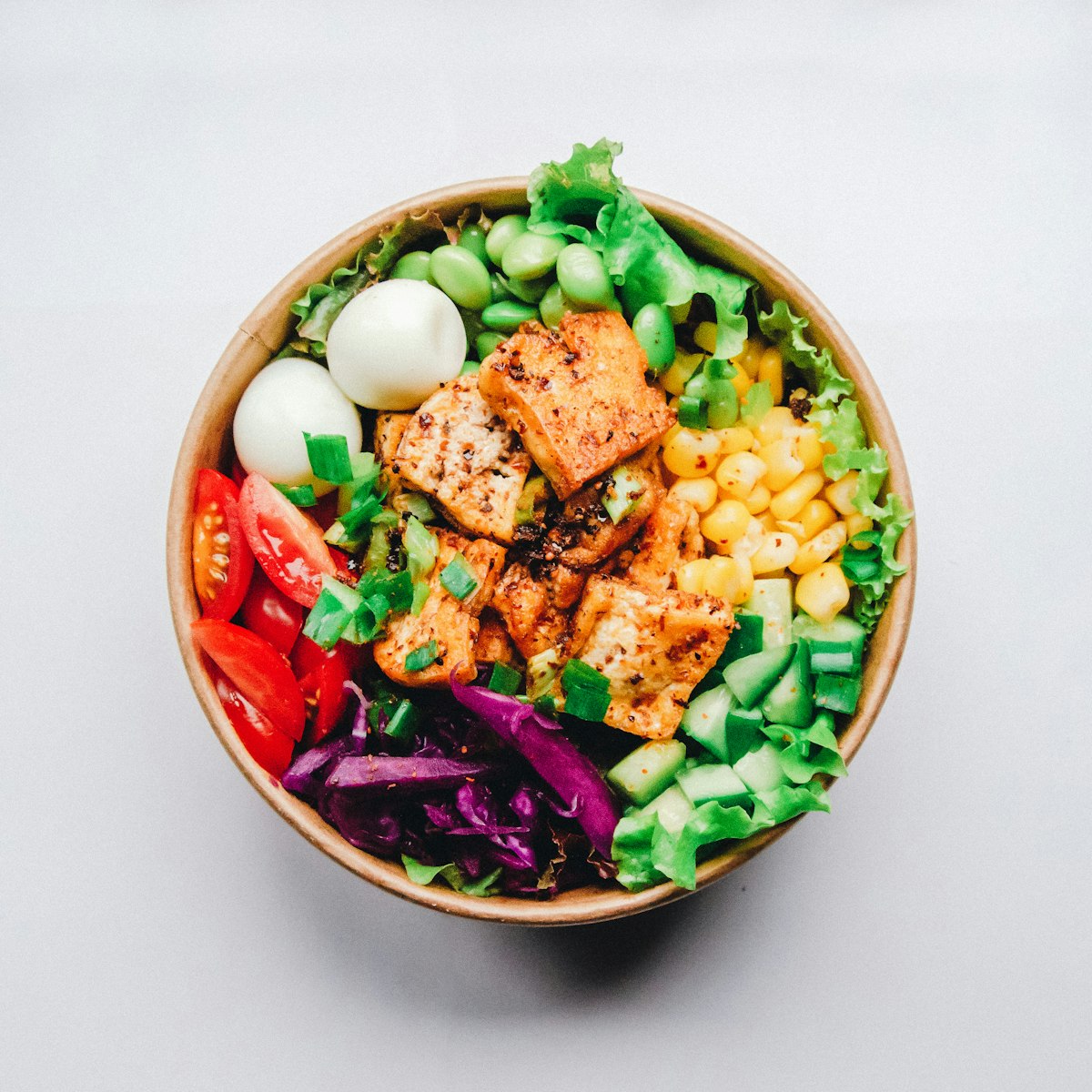
The right snack prevents lows and highs. Prioritise protein and fibre. A good snack bridges meals without spiking glucose or triggering cravings. Target: 10--20g protein, 3--5g fibre, <15g net carb, <200 kcal. Timing: 2--3h post-meal, pre-exercise, or bedtime if glucose trending low.
What Science Says
Protein + fibre + fat = lower glycaemic response, higher satiety (PYY, GLP-1), reduced subsequent intake. Nuts: meta-analysis 1 oz/day -> 4% lower diabetes risk, no weight gain. Greek yogurt: whey + casein = sustained aminoacidemia + calcium. Hummus: chickpeas + tahini = low GI, resistant starch. Egg: highest biological value protein, choline. Makhana (fox nuts): low calorie, moderate protein, crunch factor.
How It Works
Snack formula: (1) Protein base (yogurt, egg, cheese, nuts, roasted legumes). (2) Fibre vehicle (veg, fruit, whole grain cracker). (3) Fat for satiety (nuts, seeds, cheese, avocado). (4) Flavour (spices, herbs, vinegar) -- zero calories. Pre-portion into containers -- prevents mindless overeating. Hydrate first -- thirst mimics hunger.
Pros & Cons
Pros
Stabilises glucose between meals -- prevents reactive hypoglycaemia
Controls hunger -- reduces overeating at next meal
Opportunity to hit protein/fibre/vegetable targets
Portable, no-cook options exist for busy days
Cons
Calorie creep: "healthy" snacks add up (nuts, cheese, bars)
Grazing all day = elevated insulin, no fat-burning window
Processed "diabetes-friendly" bars often ultra-processed
Late-night snacking disrupts circadian metabolism
Expert Tips
Pre-portion nuts: 15g = 100 kcal (easy to overeat 50g = 300+)
Freeze Greek yogurt 30 min = "froyo" texture, longer eating time
Roast chickpeas/makhana Sunday -- portion 30g bags
Veg + dip: pre-cut cucumber, pepper, carrot -- front of fridge
Hard-boil 12 eggs = grab-and-go protein bombs
Apple slices + 1 tbsp peanut butter = perfect macro balance
How to Implement
Audit current snacks 3 days -- note time, food, hunger (1--10), glucose if monitoring
Identify 2-3 danger zones (e.g., 4pm slump, post-dinner TV)
Prep 3 snack kits for each danger zone (protein + fibre + fat)
Set phone reminder: Snack check -- hungry or habit?
Review weekly: adjust portions, swap boredom items
Side Effects & Precautions
Insulin/sulfonylurea: carb-containing snack may be needed pre-exercise or bedtime -- follow care plan
Gastroparesis: small, low-fat, low-fibre, liquid/semi-solid snacks
CKD: potassium/phosphorus limits -- avoid nuts, dairy, legumes -- renal RD guidance
Food allergies: nuts, dairy, egg, soy common in snack combos -- sub seeds, coconut yogurt
Bottom Line
Snacks are tools, not requirements. If meals are balanced and spaced 4--5h, you may not need them. When you do: protein + fibre + fat, pre-portioned, purposeful. The 4pm makhana beats the 4pm samosa every time.
Frequently Asked Questions

Written by Ashwani
Anmotion's team of health and wellness experts creates evidence-based content reviewed by medical professionals.
This article is for informational purposes only and is not a substitute for professional medical advice, diagnosis, or treatment. Always seek the advice of your physician or other qualified health provider with any questions you may have regarding a medical condition.