Building Resilience: Habits That Help You Bounce Back
Resilience is a skill. Cultivate it with these daily practices.
Medically reviewed by Dr. Rohan Kapoor
Reviewed on 6 September 2026
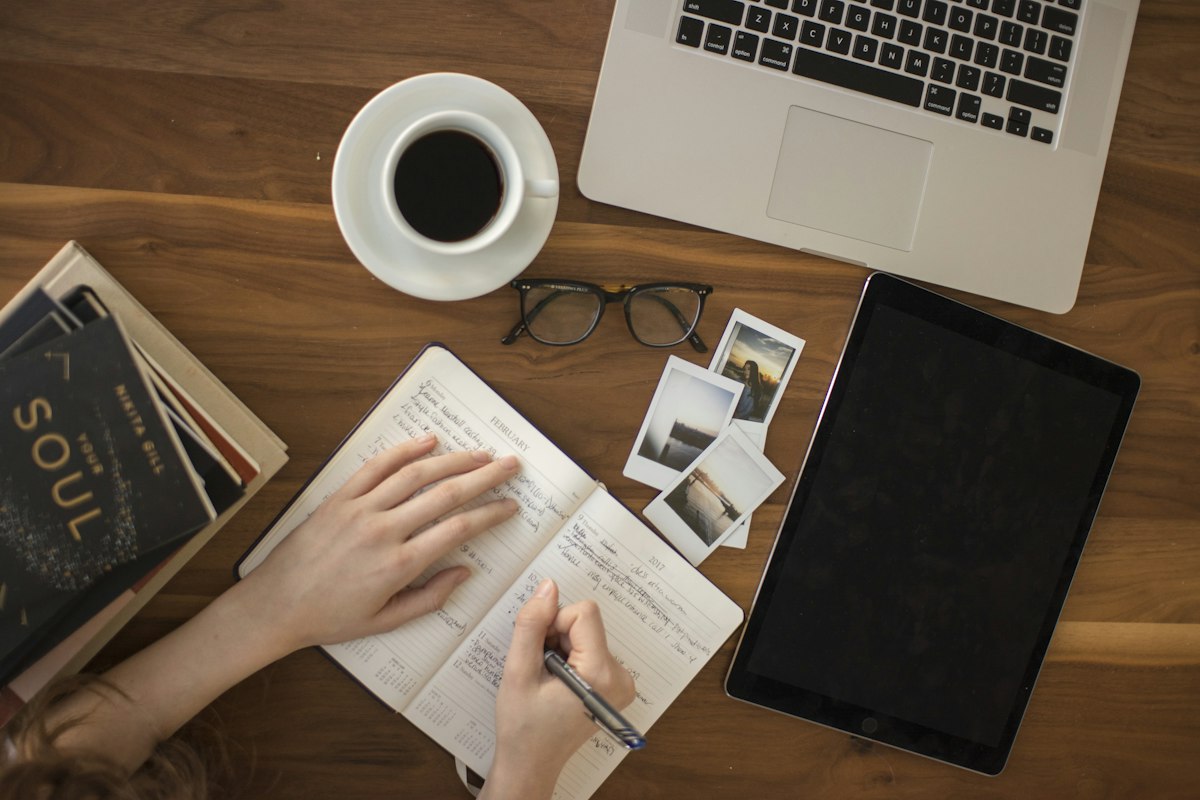
Resilience is not toughness -- it is the ability to recover. These habits strengthen it over time. Resilience is not about bouncing back unchanged; it is about integrating the experience and growing from it. The research is clear: resilience is built, not born.
What Science Says
Resilience research (Southwick, Charney, Bonanno) identifies modifiable factors: realistic optimism, cognitive flexibility, active coping, social support, physical fitness, meaning/purpose, and moral compass. Neurobiologically, resilient individuals show better prefrontal regulation of amygdala, HPA axis habituation to repeated stress, and higher neuropeptide Y (stress-buffering). Post-traumatic growth (Tedeschi, Calhoun) occurs in 50--60% of trauma survivors -- new possibilities, relational depth, personal strength, spiritual change, appreciation of life.
How It Works
Daily micro-habits build the "resilience reserve" -- the psychological buffer you draw on during crisis. Each habit targets a pillar: cognitive (reframing, growth mindset), emotional (gratitude, self-compassion), social (connection, asking for help), physical (sleep, movement, nutrition), spiritual/meaning (values, contribution). Consistency compounds; intensity does not.
Pros & Cons
Pros
Protects mental health during inevitable life stressors
Improves problem-solving under pressure
Strengthens relationships -- resilient people seek and offer support
Associated with lower cardiovascular risk and longer healthspan
Teachable at any age -- neuroplasticity persists lifelong
Cons
Can be misused to justify toxic environments (just be more resilient)
Individual resilience cannot compensate for systemic adversity
Measurement is complex -- self-report biases, context dependence
Overemphasis on bouncing back may invalidate grief process
Expert Tips
Evening three good things journal: 3 specifics, why they mattered, your role
Weekly stress inoculation: voluntary discomfort (cold shower, hard workout, difficult conversation)
Monthly values check: are my actions aligned with what matters? Adjust one thing.
Build a resilience roster: 3 people you can call at 2am; be on theirs
Reframe "I have to" -> "I get to" -- shifts threat to opportunity
How to Implement
Pick ONE habit from each pillar (cognitive, emotional, social, physical, meaning)
Start micro: 2 minutes daily per habit
Anchor to existing routines (after coffee, before bed, during commute)
Track weekly -- note what felt meaningful, not just done
Quarterly review: what strengthened? what needs adjustment?
Side Effects & Precautions
Clinical depression, PTSD, burnout: resilience habits support but do not replace treatment
Toxic positivity (everything happens for a reason) is not resilience -- it is avoidance
Systemic barriers (poverty, discrimination, caregiving load) require collective, not just individual, solutions
Bottom Line
Resilience is the sum of small choices repeated. You do not find it in crisis; you build it in the quiet days. Start one habit today. Your future self will have more capacity because of it.
Frequently Asked Questions

Written by Ashwani
Anmotion's team of health and wellness experts creates evidence-based content reviewed by medical professionals.
This article is for informational purposes only and is not a substitute for professional medical advice, diagnosis, or treatment. Always seek the advice of your physician or other qualified health provider with any questions you may have regarding a medical condition.