Diabetes Meal Planning 101: A Practical Framework
Plate method, portions, and timing for steadier glucose.
Medically reviewed by Dr. Rohan Kapoor
Reviewed on 6 September 2026
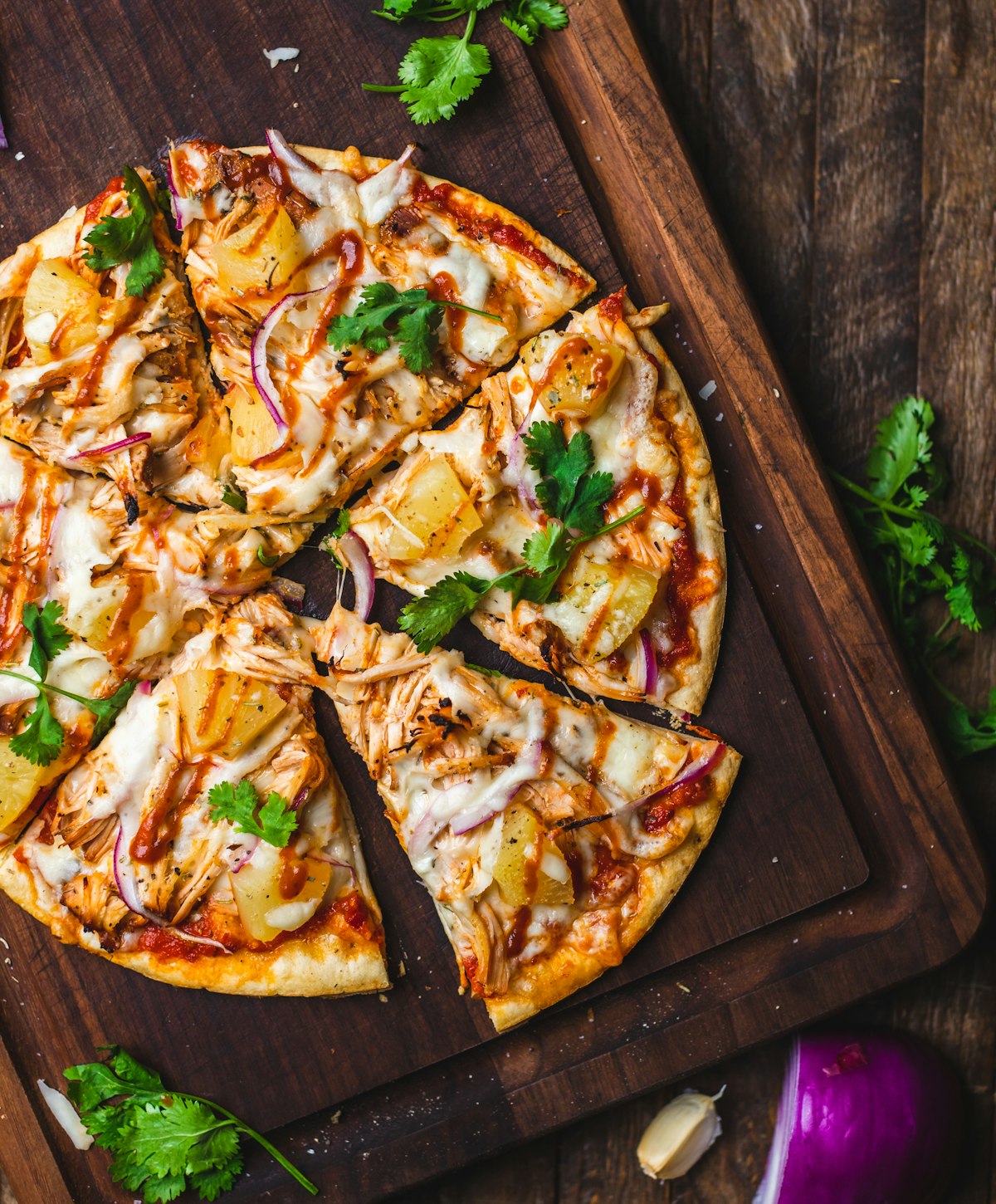
Consistent, balanced meals are the backbone of glucose management. This is not about restriction -- it is about structure. A framework removes daily decision fatigue, reduces glucose variability, and makes social eating manageable. The plate method, carb consistency, and meal timing are the three pillars.
What Science Says
ADA Standards of Care: individualised medical nutrition therapy improves HbA1c by 0.3--2.0%. Plate method (½ non-starchy veg, ¼ protein, ¼ carb) matches DASH/Mediterranean patterns shown to reduce CVD events. Carb consistency (+/-10--15g per meal) reduces postprandial glucose SD by 25--30%. Time-restricted eating (10--12h window) improves insulin sensitivity independent of weight loss. Protein pacing (25--30g per meal) optimises muscle protein synthesis, critical for glucose disposal.
How It Works
1) Plate method at lunch/dinner -- visual, no weighing. Breakfast: add fruit/dairy to the ¼ carb. 2) Carb budget: set per-meal target with RD/CDE (typically 30--60g women, 45--75g men). 3) Consistent meal times +/-1h -- entrains circadian insulin sensitivity. 4) Pre-meal walk or vinegar -- lowers glucose excursion. 5) Post-meal 10-min walk -- blunts peak. 6) Bedtime snack only if >2h since dinner and glucose <100 or on insulin/sulfonylurea.
Pros & Cons
Pros
Plate method = zero math, works anywhere (restaurant, thali, party)
Carb consistency = predictable insulin dosing, fewer surprises
Framework adapts to cultural foods -- dal-chawal, roti-sabzi, idli-sambar all fit
Reduces "what do I eat?" decision fatigue -- mental bandwidth for life
Cons
Initial learning curve: label reading, portion estimation
Social meals require flexibility -- framework is guide, not prison
Hypoglycaemia risk if insulin/sulfonylurea + skipped/delayed meal
Does not address food quality alone -- ultra-processed fits macros but still harms
Expert Tips
Hand portions: palm = protein, fist = veg, cupped hand = carb, thumb = fat
Batch-cook protein (dal, chicken, eggs) + roast veg Sunday = weekday assembly
Freeze portioned cooked grains (rice, quinoa, millet) -- reheat = resistant starch
Restaurant hack: ask for double veg, half rice, sauce on side
Travel kit: nuts, protein powder, electrolyte, glucometer strips
How to Implement
Get personalised carb targets from diabetes educator (insurance often covers)
Practice plate method at home for 1 week -- photograph plates
Log meals + glucose (app or paper) 2 weeks -- identify patterns
Build 5 go-to breakfasts, 5 lunches, 5 dinners that hit targets
Review monthly with educator -- adjust for HbA1c, weight, lifestyle changes
Side Effects & Precautions
Type 1: carb counting + insulin:carb ratio + correction factor -- plate method is foundation, not replacement
Hypoglycaemia unawareness: CGM mandatory; carb consistency critical
CKD/heart failure: sodium, potassium, fluid restrictions modify plate -- renal RD essential
Pregnancy/GDM: lower carb targets, stricter postprandial goals -- specialist team
Eating disorder history: structured plans can trigger -- therapist + RD collaboration
Bottom Line
A meal plan is a scaffold, not a cage. The plate method gives visual freedom; carb consistency gives metabolic predictability. Build your 15-meal library. Life happens -- the framework absorbs the chaos.
Frequently Asked Questions

Written by Ashwani
Anmotion's team of health and wellness experts creates evidence-based content reviewed by medical professionals.
This article is for informational purposes only and is not a substitute for professional medical advice, diagnosis, or treatment. Always seek the advice of your physician or other qualified health provider with any questions you may have regarding a medical condition.