One Meal, The Whole Family: Easy Ideas
Cook once for adults and kids with smart customization.
Medically reviewed by Dr. Rohan Kapoor
Reviewed on 6 September 2026
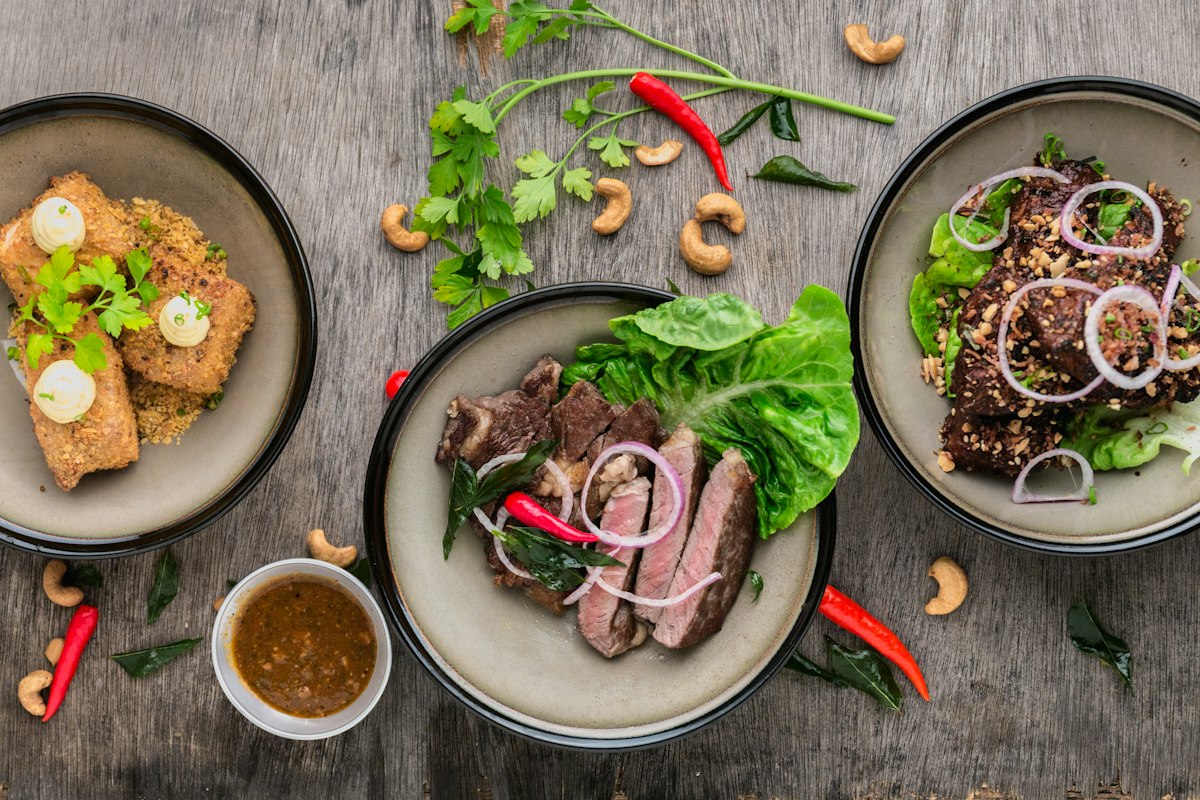
Deconstruct meals so everyone eats the same base, customized to taste. Family meals = better nutrition, language, mental health, weight outcomes for kids. But picky eaters, allergies, different schedules = chaos. Solution: deconstructed "build-your-own" meals. Same base ingredients, customised assembly. Everyone gets autonomy, parent cooks once. This article gives the framework and 10 Indian + global templates.
What Science Says
Family meal frequency: 3+/week -> children: healthier weight, better grades, less depression, less disordered eating (meta-analysis). Division of responsibility (Satter): parent decides what/when/where; child decides whether/how much. Pressure -> picky eating, food aversion. Exposure: 10--15 neutral exposures for acceptance. Modelling: parents eat veg -> kids eat veg. Autonomy: choice within structure -> intake ↑, conflict ↓.
How It Works
Template: Base (grain + protein + veg) + Bar (toppings/sauces) + Sides. Examples: (1) Buddha bowl: rice/quinoa + dal/chicken/tofu + roasted veg + toppings (curd, chutney, pickle, nuts, seeds). (2) Wrap/roti bar: whole wheat roti + paneer bhurji/egg bhurji/chicken + veg sticks + chutneys + curd. (3) Khichdi bar: moong dal khichdi + tadka options (cumin, garlic, ghee) + toppings (curd, papad, pickle, roasted cumin). (4) Taco night: corn tortilla/roti + rajma/black beans/chicken + salsa, guac, curd, lettuce, cheese. (5) Pasta bar: whole grain pasta + tomato sauce + protein (lentil bolognese, chicken) + veg + cheese. (6) Dosa/uttapam: batter + potato filling + chutneys + sambar. (7) Salad bar: base greens + protein + grain + veg + dressings. (8) Soup + bread: dal soup/rasam/tomato + whole grain bread + protein side. (9) Grain bowl: millet/barley + dal + seasonal veg + tadka. (10) Breakfast for dinner: besan cheela + chutney + curd + veg.
Pros & Cons
Pros
One cook, multiple eaters -- time, cost, mental load saved
Kids learn food autonomy -- long-term healthy relationship
Exposure without pressure -- "you don have to eat it"
Adaptable: allergies, preferences, spice tolerance
Cons
Prep: more components (but batchable)
Mess: more bowls -- involve kids in cleanup
Picky kids may eat only rice/bread -- trust the process
Initial resistance -- 2--3 weeks to normalise
Expert Tips
Always include 1 safe food child likes (rice, roti, curd, fruit)
Serve family-style -- bowls on table, self-serve
No "just one bite" -- neutral: "this is what we e having"
Involve: wash veg, stir, set table, choose topping
Leftover remix: dal -> paratha filling, veg -> wrap, rice -> fried rice
How to Implement
Pick 3 templates your family likes -- rotate weekly
Sunday prep: cook grains, proteins, chop veg, make chutneys
Monday: Buddha bowl, Tuesday: Wrap, Wednesday: Khichdi bar...
Track: what gets eaten, whats left -- adjust portions
Monthly: add 1 new veg/protein to bar -- expand palate
Side Effects & Precautions
Choking hazards <4 years: cut grapes, tomatoes, nuts, raw carrot
Allergies: keep allergens separate, label, educate siblings
ARFID/extreme picky: feeding therapist -- not just picky
Growth faltering: pediatrician + RD -- division of responsibility still applies
Cultural: adapt templates to your cuisine -- principles universal
Bottom Line
One meal, whole family. Deconstructed. Autonomy within structure. Parents lead, kids choose. The table is for connection -- food is the vehicle.
Frequently Asked Questions

Written by Ashwani
Anmotion's team of health and wellness experts creates evidence-based content reviewed by medical professionals.
This article is for informational purposes only and is not a substitute for professional medical advice, diagnosis, or treatment. Always seek the advice of your physician or other qualified health provider with any questions you may have regarding a medical condition.