Fermented Foods: A Beginners Guide
Easy, traditional fermented foods to support your microbiome.
Medically reviewed by Dr. Rohan Kapoor
Reviewed on 6 September 2026
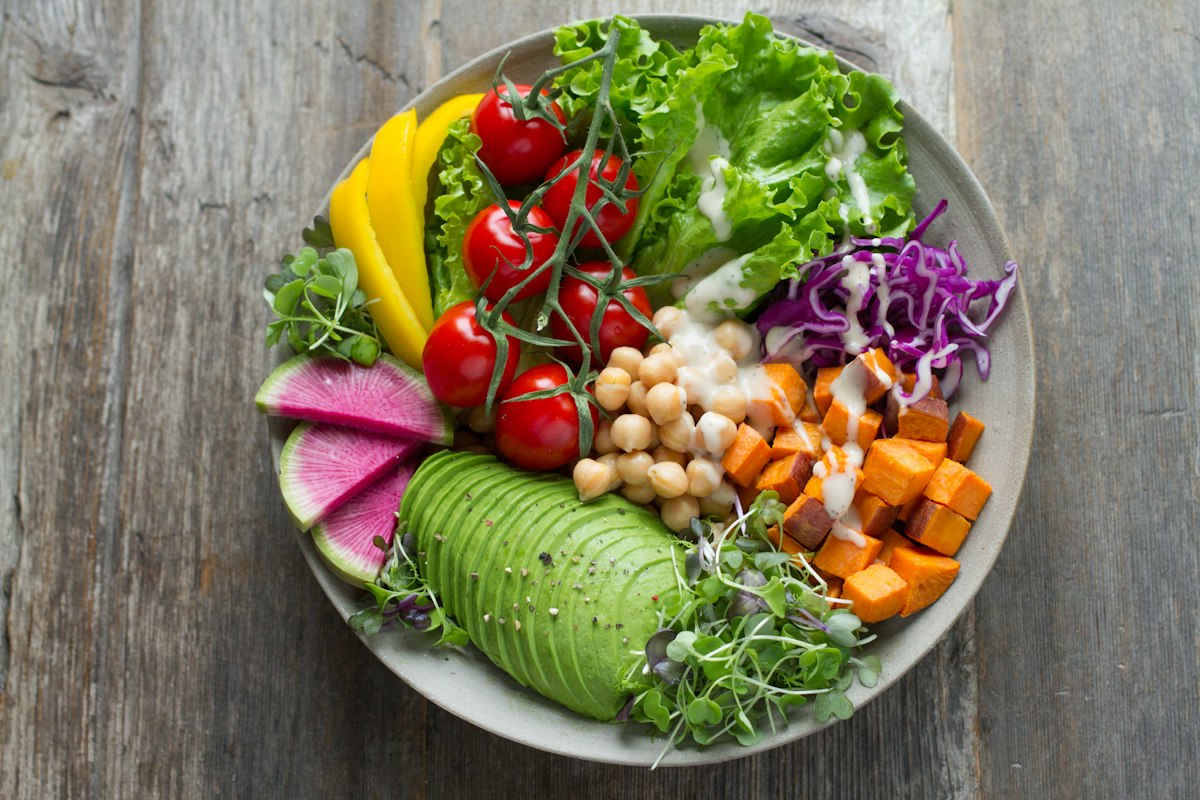
Fermented foods deliver live cultures and flavour. Start small. Fermentation = microbes (bacteria, yeast) transform food: preserve, enhance nutrients, create bioactive compounds. Lactic acid bacteria (LAB) dominate most traditional ferments -- produce lactic acid, bacteriocins, vitamins (B12, K2), GABA, exopolysaccharides. Live cultures + metabolites + pre-digested nutrients = gut-brain-immune benefits. This guide covers Indian and global options, how to choose, and how to introduce.
What Science Says
LAB survive gastric transit (acid/bile tolerance strain-dependent). Transient colonisation -- daily intake needed. Metabolites (SCFAs, peptides, GABA) exert effects without colonisation. Stanly et al. (2023): fermented food consumers (1+ serving/day) -> microbiome diversity ↑, inflammatory markers (IL-6, CRP) ↓ vs non-consumers. Yogurt: RCTs show improved lactose digestion, H. pylori eradication adjunct, BP reduction. Kimchi: metabolic syndrome markers improved. Kefir: broader microbial diversity (bacteria + yeast) -- stronger data for gut barrier, immunity.
How It Works
Indian staples (daily accessible): (1) Curd/dahi -- L. delbrueckii, S. thermophilus; homemade > commercial (more strains, no thickeners). (2) Buttermilk/chaas -- diluted curd, easier digestion. (3) Idli/dosa batter -- wild ferment (LAB + yeast), 12--24h, increases B vitamins, reduces phytates. (4) Kanji (carrot/beet) -- wild ferment, 3--5 days, anthocyanins + LAB. (5) Pickles (nimbu, amla, mixed veg) -- oil-based, lactic ferment, probiotic + polyphenol. Global: sauerkraut, kimchi, kefir, kombucha, miso, tempeh, natto. Choose: unpasteurised, refrigerated, "live cultures" label. Start 1 tbsp/day, build to ½ cup.
Pros & Cons
Pros
Live cultures + metabolites + prebiotics in one package
Cultural foods -- familiar, affordable, sustainable
Pre-digested: lactose ↓, phytates ↓, FODMAPs ↓
Flavour variety -- culinary versatility
Cons
Histamine: aged ferments (kimchi, sauerkraut, aged cheese) high -- trigger sensitive folks
Sodium: pickles, miso, kimchi -- monitor if hypertensive
SIBO: ferments may worsen bloating -- treat first
Commercial: pasteurised, added sugar, thickeners -- read labels
Expert Tips
Make curd at home: boil milk, cool to 43°C, add 1 tbsp starter, 6--8h -- infinite supply
Kanji: black carrots + mustard + salt + water, 3--5 days sun -- probiotic + anthocyanin
Idli batter: 3:1 rice:urad dal, soak 6h, grind, ferment 12--24h -- freeze portions
Quick pickle: cucumber + salt + garlic + dill, 24h room temp -> fridge -- 1 week
Rotate: curd Mon, kanji Tue, idli Wed, kimchi Thu, kefir Fri -- strain diversity
How to Implement
Audit: what ferments already in kitchen?
Add 1 serving/day (1 tbsp -> ½ cup over 2 weeks)
Track: stool (Bristol), bloating, energy, mood
If gas/bloat >3 days: reduce amount, try different ferment
Aim: 2--3 different ferments/week for strain diversity
Side Effects & Precautions
Histamine intolerance: avoid aged (>2 weeks); choose fresh curd, kefir, young kimchi
Immunocompromised: theoretical sepsis risk -- consult doctor; postbiotics alternative
MAOIs: tyramine in aged ferments = hypertensive crisis -- avoid
Sodium-sensitive: rinse pickles, limit miso/kimchi, use low-salt curd
Pregnancy: unpasteurised risk (listeria) -- commercial pasteurised OK but dead cultures; homemade curd from boiled milk = safe
Bottom Line
Fermented foods are the original probiotic -- delicious, cultural, alive. One serving daily, variety weekly. Your microbiome thanks you.
Frequently Asked Questions

Written by Ashwani
Anmotion's team of health and wellness experts creates evidence-based content reviewed by medical professionals.
This article is for informational purposes only and is not a substitute for professional medical advice, diagnosis, or treatment. Always seek the advice of your physician or other qualified health provider with any questions you may have regarding a medical condition.