Gluten-Free Staples for a Balanced Diet
Build nutritious gluten-free meals beyond rice and potatoes.
Medically reviewed by Dr. Rohan Kapoor
Reviewed on 6 September 2026
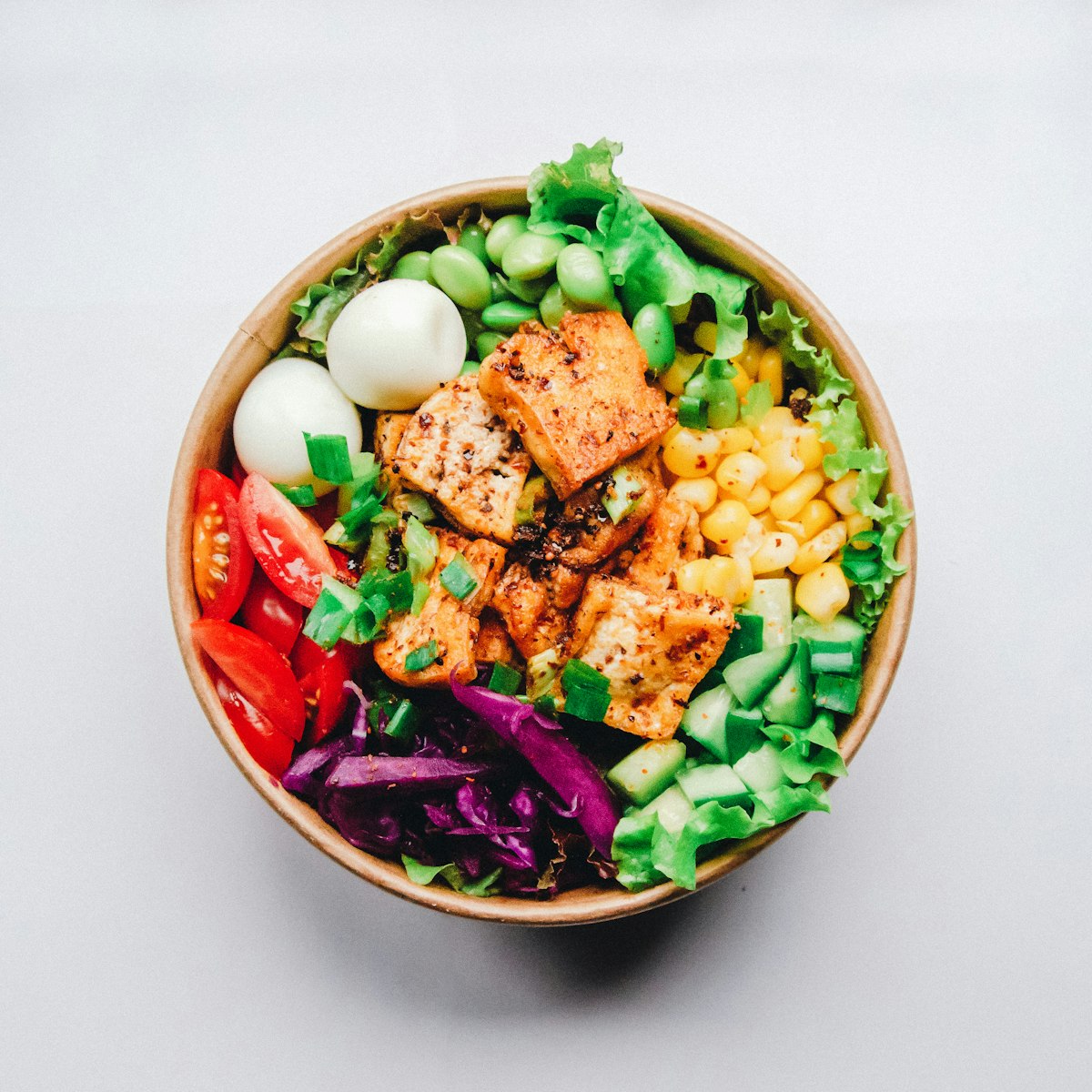
Going gluten-free does not mean going nutrient-poor. Use these whole-food bases. Whether you have coeliac disease, non-coeliac gluten sensitivity, or are supporting a family member, the gluten-free aisle is full of ultra-processed replacements. This guide focuses on naturally gluten-free whole foods that nourish -- not just substitute.
What Science Says
Coeliac disease (1% prevalence) requires strict lifelong gluten avoidance (<20ppm) to prevent villous atrophy, malabsorption, and lymphoma risk. Non-coeliac gluten sensitivity (NCGS, 0.5--6%) shows symptom overlap but no autoimmune markers -- diagnosis by exclusion. Wheat allergy is IgE-mediated. For the 93% without these, gluten avoidance offers no benefit and may reduce whole-grain fibre, B-vitamins, and increase cost. Naturally GF whole grains (millets, quinoa, buckwheat, amaranth, teff, sorghum) provide fibre, magnesium, iron, and polyphenols often missing in refined GF products.
How It Works
Pantry anchors: (1) Grains: rice (brown, basmati, black, red), millets (ragi, jowar, bajra, foxtail, barnyard), quinoa, buckwheat (kuttu), amaranth (rajgira), teff, sorghum (jowar), certified GF oats. (2) Flours: besan (chickpea), rice flour, millet flours, almond, coconut, buckwheat, sorghum -- blend for baking. (3) Noodles: rice noodles, buckwheat soba (100%), mung bean glass noodles, konjac. (4) Thickeners: cornstarch, arrowroot, tapioca, xanthan gum. (5) Naturally GF proteins, fats, produce, dairy -- no label reading needed.
Pros & Cons
Pros
Millets are climate-resilient, nutrient-dense, deeply Indian
Whole food GF diet is often higher fibre, lower sugar than standard diet
Forces dietary diversity -- 30+ plants/week becomes natural
Safe for coeliac/NCGS when cross-contamination managed
Cons
GF packaged foods: lower fibre, higher sugar/fat, 2--3x cost
Cross-contamination: shared toasters, fryers, bulk bins, condiments
Eating out: soy sauce, thickeners, dusting flour -- ask specifically
Oats: only certified GF -- regular oats contaminated in processing
Expert Tips
Indian GF by default: idli/dosa (rice+urad), besan cheela, rajgira roti, jowar bhakri, ragi mudde
Toast millet flours 2 min dry -- removes raw flavour, improves digestibility
Soak millets 2--4h -- reduces phytates, cuts cook time
Label reading: wheat-free != gluten-free. Look for GF certification or "gluten-free"
Dedicated GF toaster, colander, cutting board if coeliac in household
How to Implement
Audit pantry: remove gluten sources (wheat, barley, rye, malt, brewer's yeast)
Stock 3 GF grains, 2 GF flours, 1 GF noodle
Learn 3 breakfast, 3 lunch, 3 dinner templates (see Indian GF above)
Eating out: "I have a medical condition -- no wheat, barley, rye, soy sauce, thickeners"
Test: tTG-IgA annually if coeliac; symptom journal if NCGS
Side Effects & Precautions
Coeliac: strict <20ppm -- separate prep, dedicated appliances, certified GF only
NCGS: may tolerate traces; individual threshold varies -- work with dietitian
Wheat allergy: carry antihistamine/epipen; different avoidance list
Low FODMAP + GF overlap: many GF grains high FODMAP -- choose rice, quinoa, millet, corn
Bottom Line
Gluten-free is a medical necessity for some, a choice for others. Either way, build on millets, rice, legumes, veg, protein -- not GF cookies. The traditional Indian plate is already 80% GF.
Frequently Asked Questions

Written by Ashwani
Anmotion's team of health and wellness experts creates evidence-based content reviewed by medical professionals.
This article is for informational purposes only and is not a substitute for professional medical advice, diagnosis, or treatment. Always seek the advice of your physician or other qualified health provider with any questions you may have regarding a medical condition.