Glycemic Index Explained (Without the Confusion)
How GI and GL help you choose carbs that steady your energy.
Medically reviewed by Dr. Rohan Kapoor
Reviewed on 6 September 2026
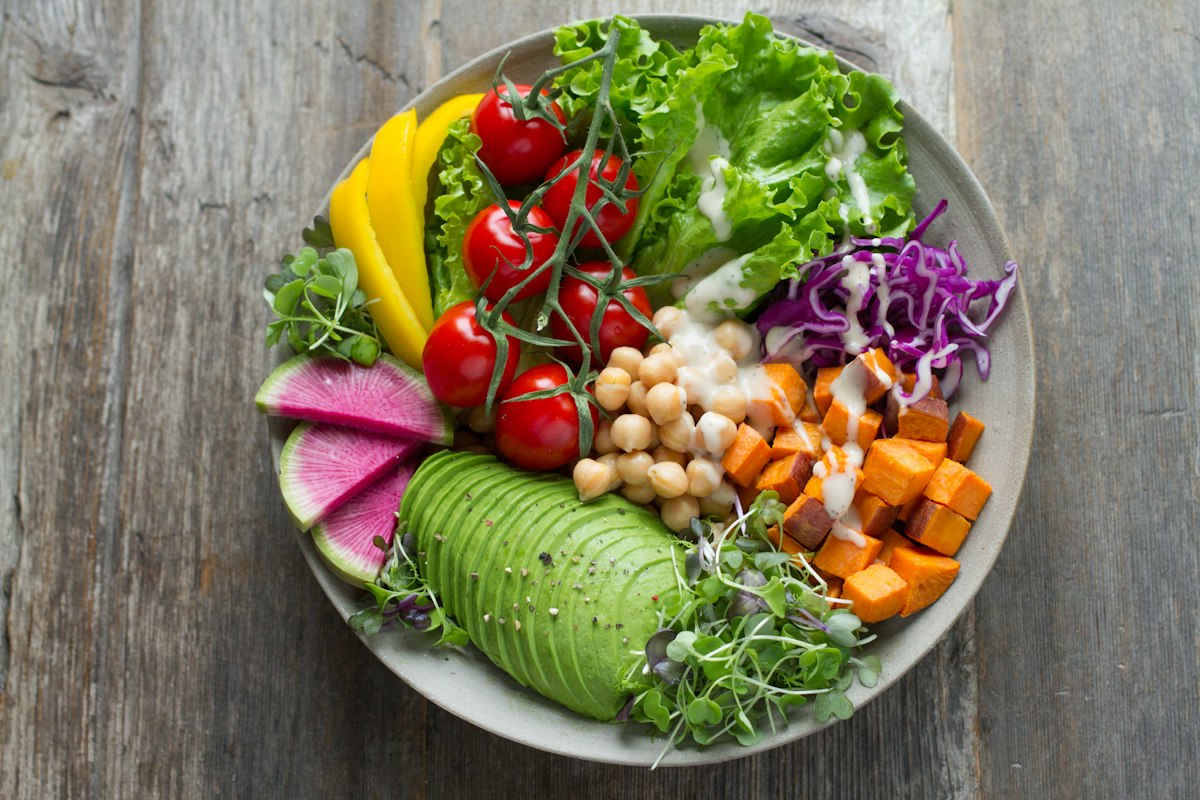
Glycemic index measures how fast a carb raises blood sugar. Load (GL) accounts for portion too. GI ranks foods 0--100 vs. pure glucose (100) based on 50g available carbohydrate. But nobody eats 50g carb from watermelon (5 cups) or carrots (7 cups). Glycaemic load (GL) = GI x carb per serving / 100 -- this is the practical metric. Low GL <=10, medium 11--19, high >=20. This article cuts through the confusion.
What Science Says
GI is measured in 10+ fasted people, 50g available carb, 2h glucose AUC. High inter-individual variability (CV 20--30%) -- your response != the table. Factors lowering GI: fibre, fat, protein, acid (vinegar, lemon, fermentation), particle size (intact grain > flour), cooking time (al dente < mushy), ripeness (green banana < ripe). GL predicts postprandial glucose better than GI alone. Meta-analyses: low-GL diets reduce HbA1c by 0.3--0.5%, CVD risk by 15--20%, improve weight maintenance.
How It Works
Practical approach: (1) Choose intact whole grains (steel-cut oats, quinoa, barley, brown rice) over flours. (2) Pair carbs with protein + fat + fibre + acid at every meal. (3) Cook pasta al dente; cool and reheat rice/potatoes/pasta (retrograded starch = resistant starch = lower GL). (4) Eat vegetables first, protein second, carbs last -- reduces glucose AUC by 30--40%. (5) Vinegar (1--2 tbsp) with meals lowers peak glucose 20--30%. (6) Walk 10 min post-meal -- muscle contraction = insulin-independent glucose uptake.
Pros & Cons
Pros
GL is actionable -- accounts for real portions
Food ordering (veg -> protein -> carb) is free, immediate, powerful
Cooling starches is zero-effort meal prep hack
Vinegar and post-meal walk are low-cost adjuncts
Cons
GI tables are misleading for mixed meals
Individual response varies -- CGM reveals your truth
Can become obsessive -- is this carrot too high GI?
Does not capture insulin index (dairy spikes insulin, not glucose)
Expert Tips
CGM for 2 weeks = personalised GI database. Test your staple meals.
Sourdough > yeast bread (fermentation lowers GI, increases bioavailability)
Legumes = lowest GL staple -- ½ cup lentils = GL 5
Potato: boiled + cooled + reheated = GL 25 vs. baked hot = GL 85
Fruit: berries < apple < banana < mango < watermelon -- pair with nuts/yogurt
How to Implement
List your top 10 carb sources; swap 3 highest GL for lower GL alternatives
Practice veg -> protein -> carb order at lunch/dinner for 2 weeks
Add 1 tbsp vinegar (apple cider, wine) to salad dressing or water pre-meal
Walk 10 min after largest meal
Retest glucose / energy / hunger -- adjust
Side Effects & Precautions
Type 1: GI/GL informs carb counting but does not replace it -- insulin matching still key
Hypoglycaemia: high GI carbs (juice, glucose tabs) are treatment -- do not avoid
Athletes: high GI carbs peri-workout enhance performance/recovery -- context matters
Eating disorders: GI/GL tracking can fuel orthorexia -- screen intent
Bottom Line
GI is a population average; your metabolism is individual. Use GL as a rough guide. Master the basics: intact grains, veg-first ordering, post-meal walk, vinegar. The details matter less than the pattern.
Frequently Asked Questions

Written by Ashwani
Anmotion's team of health and wellness experts creates evidence-based content reviewed by medical professionals.
This article is for informational purposes only and is not a substitute for professional medical advice, diagnosis, or treatment. Always seek the advice of your physician or other qualified health provider with any questions you may have regarding a medical condition.