Healthy Eating for Kids: Making Veggies Fun
Practical, low-pressure ways to raise adventurous eaters.
Medically reviewed by Dr. Rohan Kapoor
Reviewed on 6 September 2026
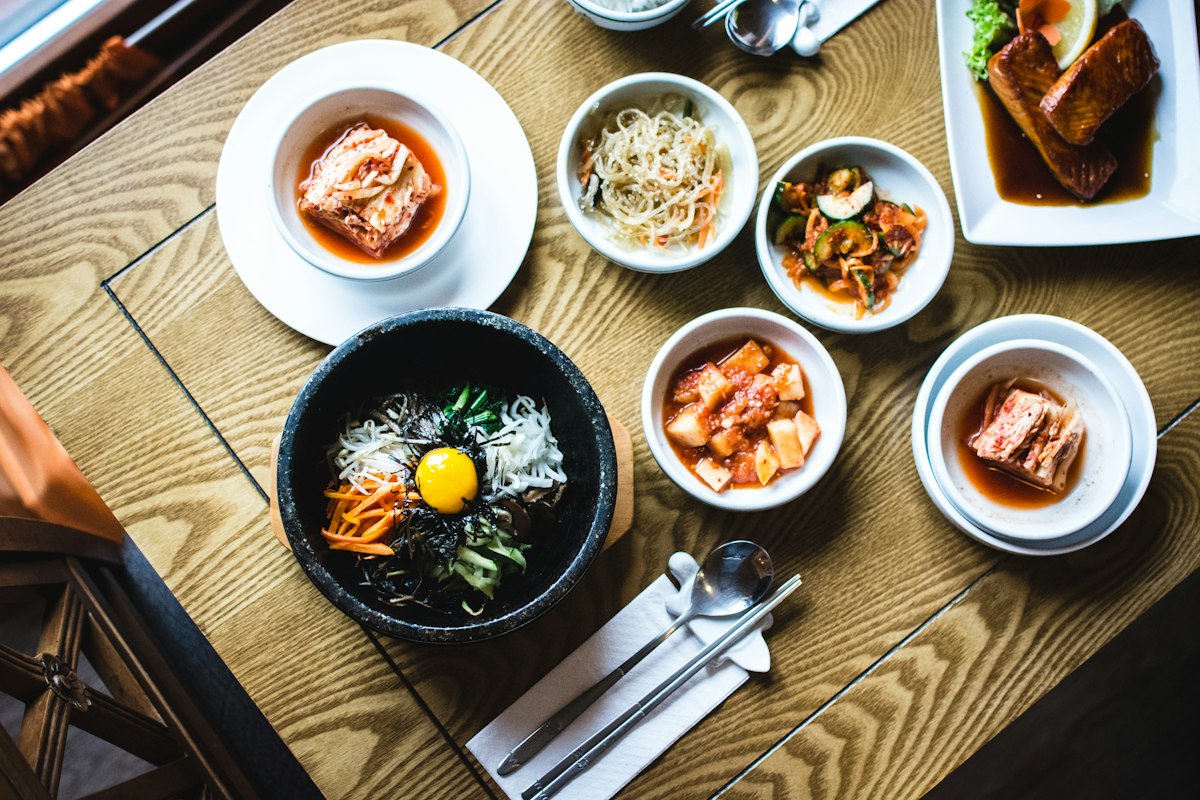
Pressure backfires. Make healthy food familiar, fun, and repeated. Division of Responsibility (Ellyn Satter): parent decides what, when, where; child decides whether, how much. This evidence-based framework prevents power struggles, builds autonomy, and produces competent eaters. Kids need 10--15 neutral exposures to accept a new food. Modelling > lecturing. This article gives the framework and practical Indian-family strategies.
What Science Says
Satter DOR: longitudinal studies -> children self-regulate intake, maintain healthy weight, less disordered eating. Pressure (prompting, rewarding, restricting) -> food aversion, overeating, weight dysregulation. Neophobia peaks 2--6 years -- evolutionary, not defiance. Exposure: 8--15 tastes for acceptance. Modelling: parents eat veg -> kids eat veg (r=0.3--0.5). Family meals 3+/week -> better nutrition, academics, mental health. Involvement: cooking/gardening -> willingness to try ↑.
How It Works
Daily practice: (1) Serve family-style -- same meal, deconstructed (bowl bar, wrap bar, khichdi bar). (2) Always include 1 safe food (rice, roti, curd, fruit). (3) No pressure: "You don have to eat it." (4) Model: eat the veg yourself, enjoy it. (5) Involve: wash, stir, serve, choose topping. (6) Portion: 1 tbsp/year age -- small wins. (7) Language: "crunchy", "sweet", "bright" -- not "healthy". (8) Dessert: serve WITH meal (small) -- removes hierarchy.
Pros & Cons
Pros
Builds lifelong healthy relationship with food
Reduces mealtime battles -- parent enjoys meal too
Children self-regulate -- no clean plate club
Exposure without pressure = eventual acceptance
Cons
Requires parental patience -- weeks/months, not days
Mess: cooking with kids = chaos -- embrace it
Grandparents/caregivers may undermine -- communicate
Growth spurts = erratic intake -- trust the week, not the day
Expert Tips
Safe food always present: rice, roti, curd, banana -- child never starves
Veg first on plate (visual) -- but no eat veg to get dessert
Dip it: curd, hummus, chutney, peanut sauce -- flavour bridge
Grow: microgreens, herbs, tomato pot -- ownership = willingness
Books: "I Will Never Not Ever Eat a Tomato", "Dragons Love Tacos" -- normalise
How to Implement
Adopt DOR today: parent = what/when/where; child = whether/how much
Build 3 deconstructed meal templates (bowl, wrap, khichdi bar)
Shop together: child picks 1 new veg/fruit weekly
Cook together: 1 age-appropriate task (wash, tear, stir)
Track: new foods tried (not eaten) -- celebrate exposure
Side Effects & Precautions
ARFID/extreme picky: <20 foods, weight loss, distress -- feeding therapist, not picky
Growth faltering: pediatrician + RD -- DOR still applies, medical oversight
Allergies: safe food list, epinephrine plan, educate siblings
Neurodivergent (ASD, ADHD): sensory preferences -- OT + feeding therapist
Food insecurity: DOR applies -- structure provides safety
Bottom Line
Your job: what, when, where. Their job: whether, how much. Same meal, deconstructed. Safe food included. No pressure. Model joy. The long game wins.
Frequently Asked Questions

Written by Ashwani
Anmotion's team of health and wellness experts creates evidence-based content reviewed by medical professionals.
This article is for informational purposes only and is not a substitute for professional medical advice, diagnosis, or treatment. Always seek the advice of your physician or other qualified health provider with any questions you may have regarding a medical condition.