Home Workout Plans With Zero Equipment
Effective full-body sessions you can do in your living room.
Medically reviewed by Dr. Rohan Kapoor
Reviewed on 6 September 2026
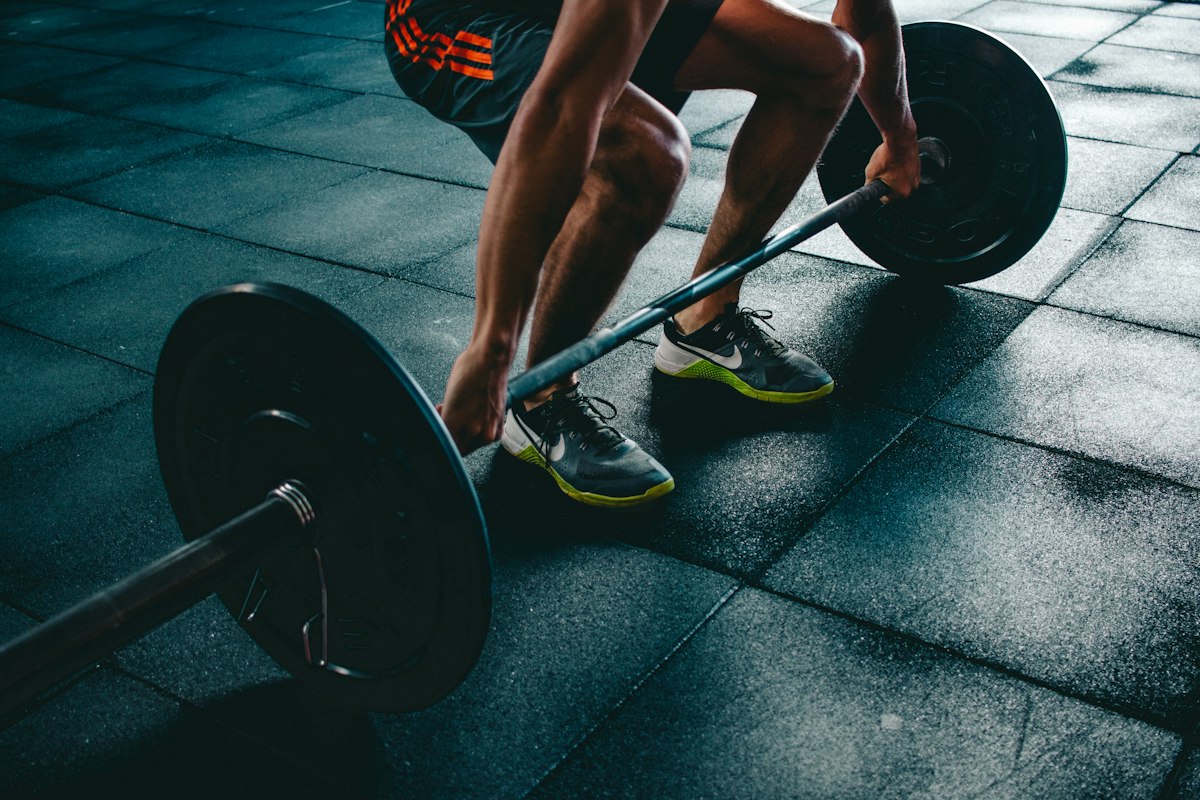
You do not need a gym to train effectively. These bodyweight circuits build strength and endurance at home. The key is progressive overload -- making exercises harder over time through leverage, tempo, volume, or reduced rest -- not just doing more reps endlessly.
What Science Says
Bodyweight training can elicit comparable strength and hypertrophy to external loading when exercises are matched for intensity (proximity to failure) and volume. A 2020 study found push-ups and bench press produced similar pectoralis and triceps growth when load was equated via band resistance. The limitation is lower-body loading -- bodyweight squats and lunges quickly become insufficient for trained individuals. Solutions: single-leg variations, plyometrics, tempo manipulation, and external loading (backpack, water jugs).
How It Works
Two alternating full-body circuits (A/B), 3x/week (Mon/Wed/Fri). Each circuit: 3 rounds, 60--90s rest between rounds. Exercises ordered: lower -> upper -> core -> mobility. Progression ladder for each exercise: (1) Standard -> (2) Slow eccentric (3s down) -> (3) Pause at bottom (2s) -> (4) 1.5 reps -> (5) Single-leg/arm -> (6) Plyometric. Move to next rung when you hit 3x15 with perfect form.
Pros & Cons
Pros
Zero cost, zero commute, zero excuses
Teaches body control and relative strength
Infinitely scalable via leverage and tempo
Privacy -- no gym anxiety
Time-efficient -- no equipment setup/teardown
Cons
Lower-body loading caps early without external weight
Pulling movements limited (no horizontal row without a bar/table)
Progressive overload requires creativity, not just adding plates
Household friction (space, noise, family) can disrupt consistency
Expert Tips
Use a sturdy table for inverted rows -- essential for balanced pushing/pulling
Backpack with books = instant adjustable load for squats, lunges, push-ups
Towel slides on hard floor = hamstring curls, mountain climbers, pikes
Doorframe = isometric holds, stretch anchor
Film form checks weekly -- without mirrors, drift happens silently
How to Implement
Clear 2x2m space; keep water, towel, timer nearby
Circuit A: Squat -> Push-up -> Lunge -> Row (table) -> Glute bridge -> Dead bug
Circuit B: RDL (single-leg) -> Pike push-up -> Step-up -> Superman -> Side plank -> Bird-dog
Start: 2 rounds x 10--12 reps; add 1 round/week to max 4
Then progress exercise difficulty (see ladder above)
Deload every 6th week: 50% volume
Side Effects & Precautions
Slippery floors: use yoga mat or non-slip socks
Overhead pressing (pike push-ups) if shoulder impingement: substitute landmine press (floor press with hips elevated)
Wrist pain in push-ups: use fists on floor, parallettes, or elevate hands
Apartment noise: tempo work (slow eccentrics) is quiet and effective
Bottom Line
Your body is the most portable gym you will ever own. Master moving it against gravity in all planes, progressively, and you will build a capable, resilient physique anywhere life takes you.
Frequently Asked Questions

Written by Ashwani
Anmotion's team of health and wellness experts creates evidence-based content reviewed by medical professionals.
This article is for informational purposes only and is not a substitute for professional medical advice, diagnosis, or treatment. Always seek the advice of your physician or other qualified health provider with any questions you may have regarding a medical condition.