How to Eat Healthy on a Budget
Nutritious food does not have to be expensive. Here is how.
Medically reviewed by Dr. Rohan Kapoor
Reviewed on 6 September 2026
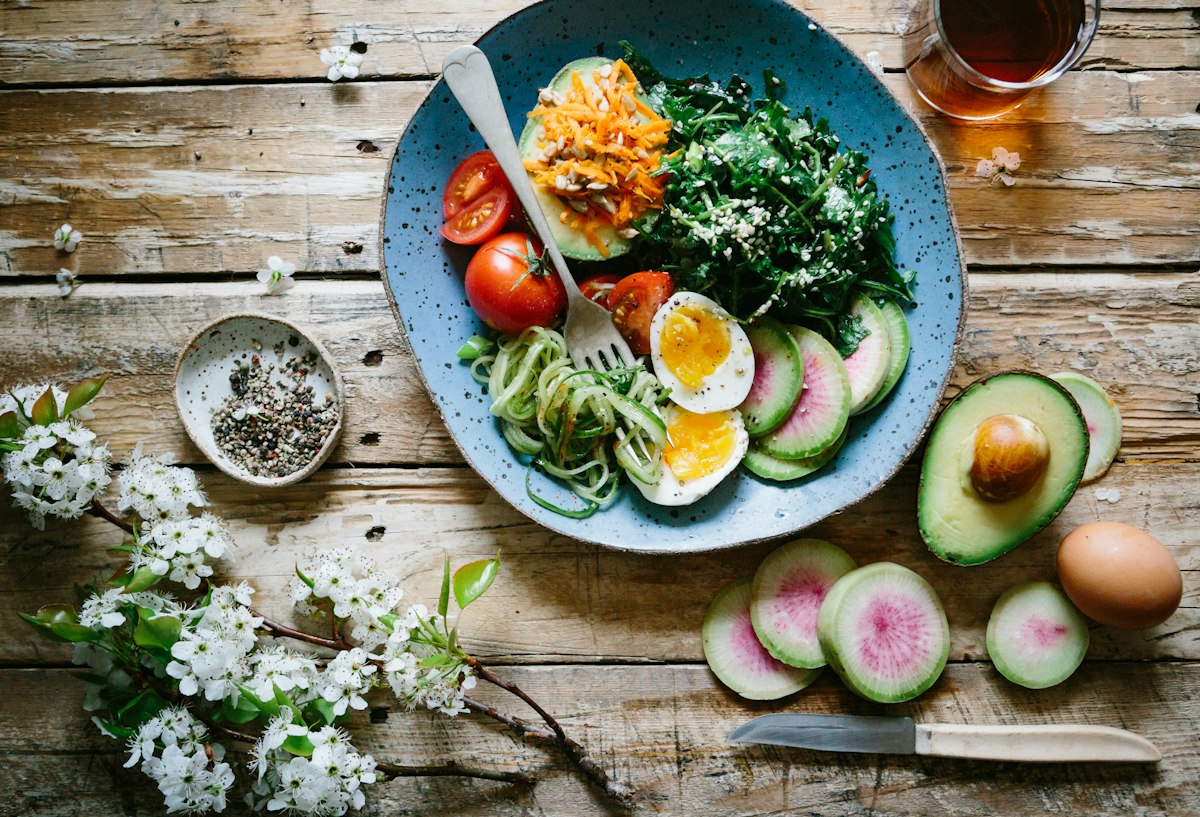
With a few strategies, whole-food eating is affordable for any household. The perception that healthy eating costs more is driven by marketing of "health foods" (superfood powders, packaged snacks, supplements) rather than actual whole foods. Lentils, eggs, seasonal vegetables, whole grains, and frozen produce are among the cheapest calories per nutrient. This article gives a practical Indian-context framework.
What Science Says
Harvard/USDA: healthy diet cost ~$1.50/day more than unhealthy -- but prevents $300--500/year in medical costs. Indian data: NIN/ICMR thali cost ~₹40--60 (dal, rice, roti, veg, curd) vs fast food ₹150--300. Protein per ₹: eggs ₹2/g, dal ₹3/g, chicken ₹4/g, paneer ₹6/g, whey ₹8/g. Micronutrient density: greens, millets, legumes, organ meats -- pennies per mg. Ultra-processed foods: high cost per calorie, negative nutrient density.
How It Works
Framework: (1) Protein anchors: eggs, dal, chana, soy chunks, whole milk curd -- buy in bulk. (2) Carb base: rice, wheat, millets (ragi, jowar, bajra) -- whole grain > refined. (3) Veg: seasonal + frozen -- spinach, carrot, cauliflower, bhindi, lauki, pumpkin. (4) Fat: mustard oil, groundnut oil, ghee (1--2 tsp/day), peanuts, coconut. (5) Flavour: onion, tomato, garlic, ginger, spices -- negligible cost, high impact. (6) Zero waste: peels -> stock, stems -> chutney, whey -> dough. (7) Shop: local mandi > supermarket, wholesale > retail, loose > packaged.
Pros & Cons
Pros
Whole foods = cheaper per nutrient than packaged health foods
Batch cooking = time + money savings
Seasonal/local = fresher, cheaper, lower carbon
Skill-building: cooking from scratch pays lifetime dividends
Cons
Time: planning, shopping, cooking -- 3--5h/week
Storage: fridge/freezer space needed for bulk
Skill barrier: basic cooking required -- learnable
Social: office lunch, travel, events -- need strategies
Expert Tips
Sunday prep: 2kg rice, 1kg dal, 2 trays roasted veg, 18 boiled eggs = weekday assembly
Frozen spinach/peas/corn = fresh nutrition, zero waste, half price
Millets (ragi, jowar, bajra) = cheaper than quinoa, higher calcium/iron
Organ meats (liver, heart) = nutrient bombs, ₹50--80/kg -- weekly
Peanut butter homemade: roast peanuts, blend -- ₹200/kg vs ₹400 store
How to Implement
Track food spend 1 week -- identify top 5 cost items
Swap 1 expensive item for cheaper equivalent (whey -> eggs, almonds -> peanuts)
Shop mandi Saturday, prep Sunday, assemble weekdays
Build 10 ₹50 meals you enjoy -- rotate
Monthly: review spend, adjust, celebrate savings
Side Effects & Precautions
Food safety: bulk storage -- airtight, cool, dry; cooked food <2h room temp
Nutrient gaps: B12 (veg), iron (women), vitamin D (indoor) -- supplement wisely
Medical diets (renal, cardiac, gout): modify protein/sodium/purines -- RD essential
Eating disorders: budget focus can mask restriction -- therapist + RD
Bottom Line
Healthy eating on a budget is a skill, not a sacrifice. Dal, rice, eggs, seasonal veg, spices. Cook in batch. The ₹50 thali beats the ₹200 salad bowl on nutrition and wallet.
Frequently Asked Questions

Written by Ashwani
Anmotion's team of health and wellness experts creates evidence-based content reviewed by medical professionals.
This article is for informational purposes only and is not a substitute for professional medical advice, diagnosis, or treatment. Always seek the advice of your physician or other qualified health provider with any questions you may have regarding a medical condition.