Mediterranean Diet Basics: The Worlds Best-Studied Eating Pattern
Why this flexible, flavourful diet is linked to longevity.
Medically reviewed by Dr. Rohan Kapoor
Reviewed on 6 September 2026
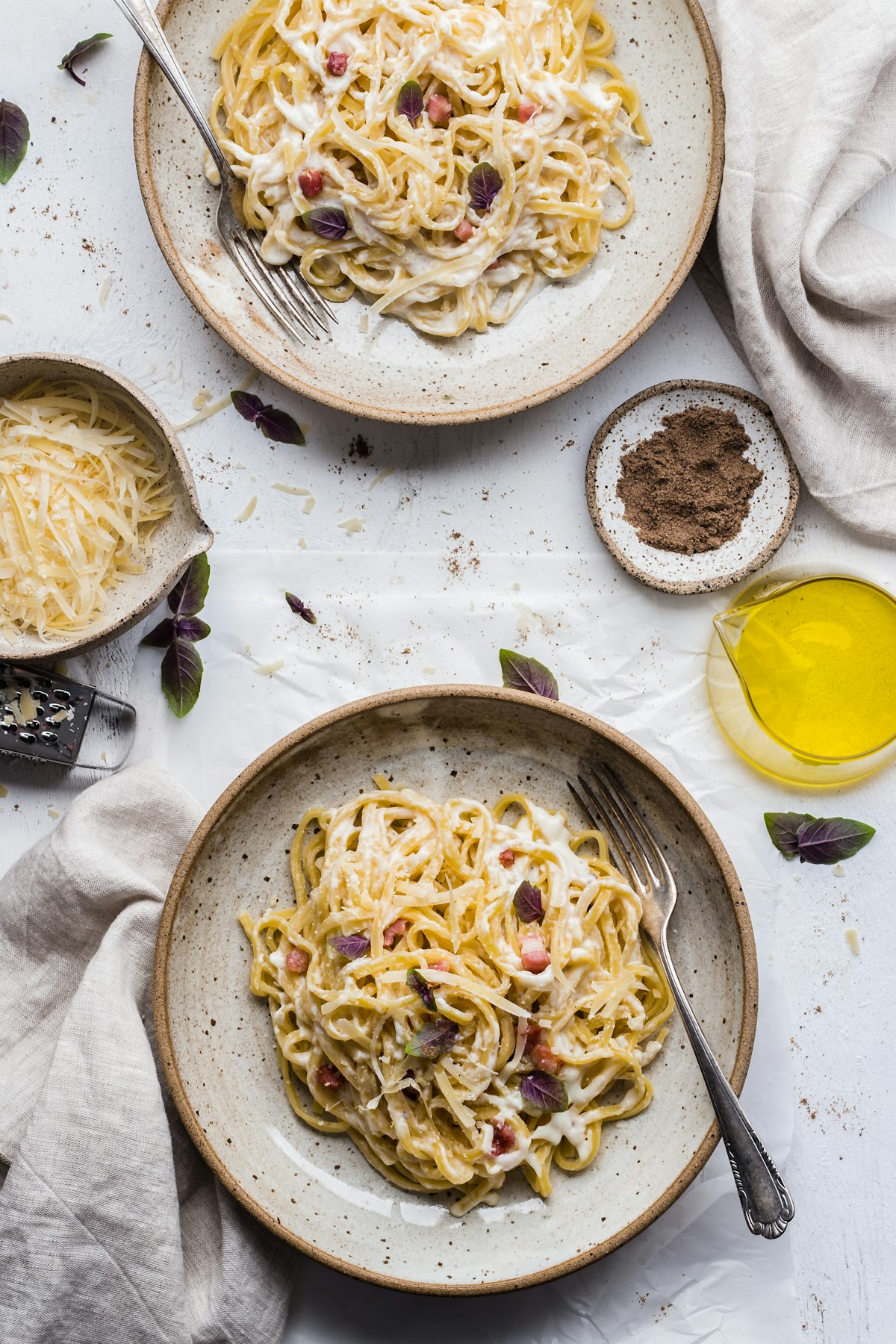
The Mediterranean pattern consistently ranks top for heart and brain health. It is not a "diet" -- it is a culinary tradition from the olive-growing regions of Greece, Italy, Spain, and the Levant. PREDIMED (7,447 participants, 5 years): Mediterranean diet + extra-virgin olive oil or nuts reduced major cardiovascular events by 30% vs. low-fat control. It is the most evidence-backed dietary pattern for primary and secondary prevention.
What Science Says
The synergy of components drives outcomes: monounsaturated fats (olive oil, nuts) improve lipid profiles and endothelial function; omega-3s (fatty fish, walnuts) reduce triglycerides and inflammation; polyphenols (olive oil, berries, herbs, wine) act as antioxidants and signalling molecules; fibre (legumes, whole grains, veg) feeds microbiome, lowers glucose/cholesterol; potassium/magnesium (veg, fruit, legumes) lowers blood pressure. The pattern is high fat (35--40% kcal) but predominantly unsaturated. Moderate alcohol (wine with meals) is traditional but not essential -- the benefits persist in non-drinkers.
How It Works
Daily: vegetables (every meal), fruit (2--3 servings), whole grains (1--2), olive oil (primary fat, 4+ tbsp), legumes/nuts (1+ serving), herbs/spices (liberally). Weekly: fish/seafood (2--3), poultry/eggs (2--4), fermented dairy (yogurt, cheese, daily), red meat (<1), sweets (<2). Lifestyle: meals shared, slow, with movement after. The "Mediterranean plate": ½ veg, ¼ protein (legume/fish), ¼ whole grain, drizzle EVOO.
Pros & Cons
Pros
Strongest evidence base for CVD, diabetes, cognitive decline, cancer prevention
Flexible -- no calorie counting, no forbidden foods, cultural adaptability
Delicious -- herbs, garlic, lemon, olive oil make vegetables craveable
Social -- designed for shared meals, not isolation
Sustainable -- people stay on it for decades
Cons
Olive oil is calorie-dense -- easy to over-pour (120 kcal/tbsp)
Fish cost/accessibility can be barriers
Wine inclusion problematic for some (history, preference, medication)
Refined grains (white pasta, bread) creep in modern versions
Portion sizes in restaurants often exceed traditional
Expert Tips
Buy EVOO in dark glass, harvest date <18 months, single origin -- polyphenols degrade
Sofrito (onion, garlic, tomato, olive oil, slow-cooked) = flavour base for everything
Canned sardines/mackerel = affordable, shelf-stable omega-3 -- mash on toast, toss in pasta
Legumes 4x/week minimum -- pressure cook dry (cheaper, lower sodium) or rinse canned
Nuts: 30g/day (handful) -- walnuts for omega-3, almonds for vitamin E
How to Implement
Swap: butter -> EVOO; refined grains -> whole; red meat -> legumes/fish
Add: 1 extra veg serving/meal; 1 tbsp nuts/day; herbs at every meal
Breakfast: Greek yogurt + walnuts + berries + honey
Lunch: Lentil salad + cucumber + tomato + feta + EVOO + whole grain pita
Dinner: Grilled fish + roasted vegetables + quinoa + lemon-herb drizzle
Snack: Hummus + crudites; fruit + almonds
Side Effects & Precautions
Warfarin/Coumadin: consistent vitamin K (leafy greens) -- do not suddenly increase/decrease
Low-fat medical diet (pancreatitis, gallbladder): modify oil portions with RD
Alcohol contraindicated: omit wine -- benefits from food components remain
IBS: garlic/onion (FODMAPs) -- use garlic-infused oil, asafoetida, green onion tops
Bottom Line
The Mediterranean diet is not a prescription -- it is a permission structure. Eat mostly plants, mostly whole, mostly together, with olive oil. The longest-lived populations don"t count macros; they cook, share, and move.
Frequently Asked Questions

Written by Ashwani
Anmotion's team of health and wellness experts creates evidence-based content reviewed by medical professionals.
This article is for informational purposes only and is not a substitute for professional medical advice, diagnosis, or treatment. Always seek the advice of your physician or other qualified health provider with any questions you may have regarding a medical condition.