How Protein Keeps You Full and Supports Fat Loss
Use protein strategically to reduce cravings and preserve muscle.
Medically reviewed by Dr. Rohan Kapoor
Reviewed on 6 September 2026
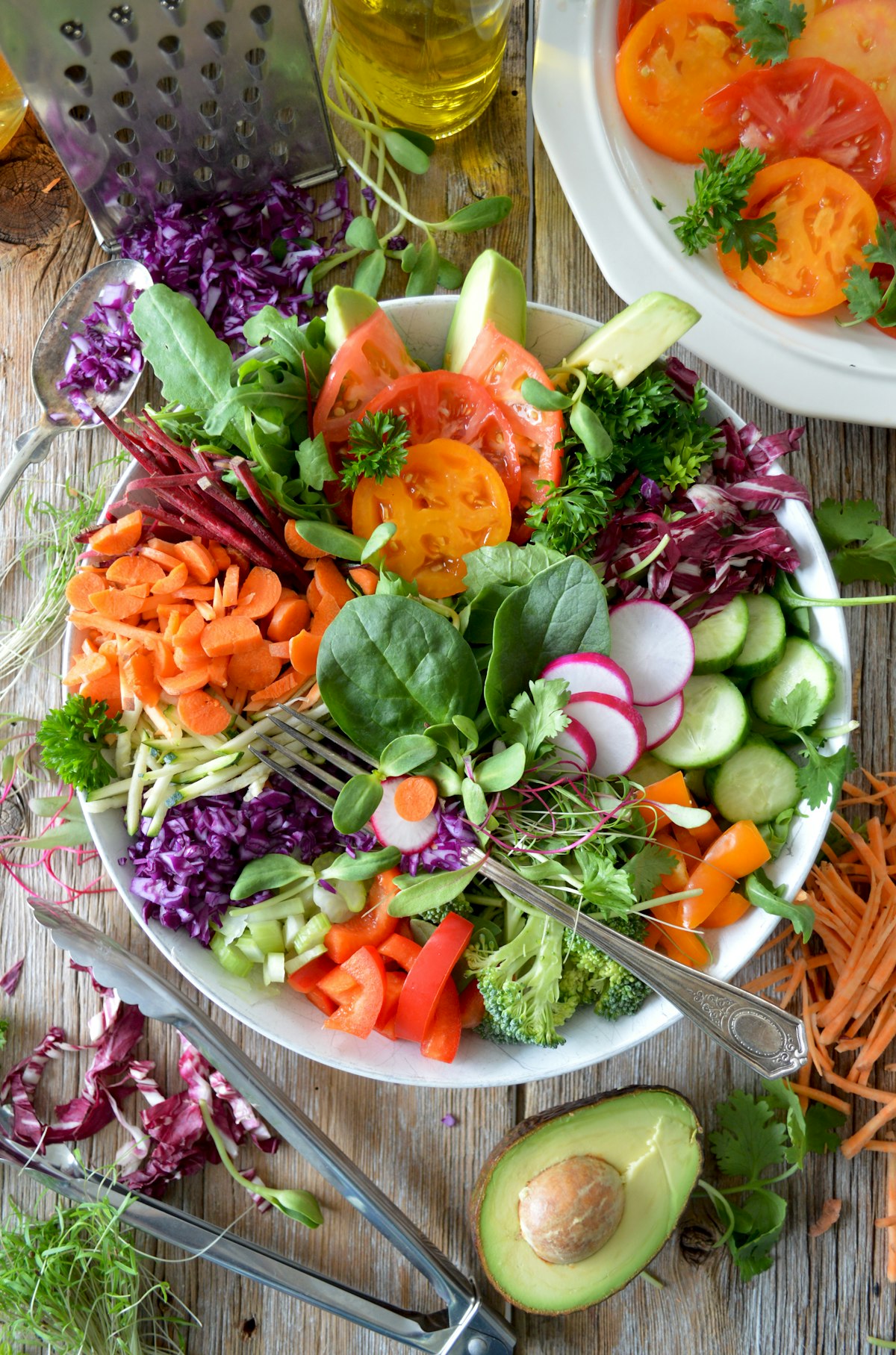
Protein is the most satiating macronutrient and protects muscle during weight loss. It is your single most powerful nutritional lever for body composition -- yet most people eat far less than optimal. This article explains why protein works, how much you need, and how to hit your target without misery.
What Science Says
Protein increases satiety hormones (GLP-1, PYY, CCK) and reduces ghrelin more than carbs or fats. Thermic effect of food (TEF) is 20--30% for protein vs. 5--10% carbs, 0--3% fat -- meaning 100 kcal protein yields ~70--80 kcal net. During caloric restriction, 2.3 g/kg/day protein preserved 90% of lean mass vs. 1.0 g/kg losing 30% lean mass (Phillips et al.). Leucine threshold (~2.5--3g/meal) triggers muscle protein synthesis; older adults need more (anabolic resistance). High protein also improves glycemic control, bone health, and blood pressure.
How It Works
Satiety: protein stimulates gut hormones that signal fullness to the brainstem and hypothalamus. TEF: peptide bond hydrolysis and urea synthesis are energetically costly. Muscle preservation: in a deficit, the body oxidises amino acids; high intake spares endogenous protein. Gluconeogenesis from protein is demand-driven, not supply-driven -- eating more protein does not spike glucose. Distribution matters: 3--4 meals with 30--40g each maximises 24h MPS vs. skewed intake.
Pros & Cons
Pros
Highest satiety per calorie -- reduces spontaneous intake 200--400 kcal/day
Preserves metabolic rate via lean mass retention
Higher TEF = "free" calorie burn
Improves body composition at same weight
Reduces cravings and late-night snacking
Cons
Can be expensive (meat, fish, whey) -- plant proteins cheaper
Requires planning -- most convenient foods are low protein
Very high intake (>3.5 g/kg) offers no extra benefit, may displace fibre
Kidney concern is a myth in healthy kidneys, but real in CKD
Expert Tips
Front-load protein: 30--40g at breakfast sets the days satiety trajectory
Greek yogurt (170g) = 20g protein, 100 kcal -- best insurance "snack"
Cook once, eat twice: batch grill chicken, boil eggs, make lentil dal
Plant combo: rice + dal, hummus + pita, tofu + quinoa = complete amino profile
Whey isolate post-workout: fast, cheap, high leucine -- but food first
How to Implement
Target: 1.8--2.2 g/kg target body weight (e.g., 70kg goal = 126--154g/day)
Divide by 4 meals = 30--40g/meal
Breakfast: 3 eggs + Greek yogurt = 35g
Lunch: 150g chicken/tofu + dal = 40g
Snack: 170g Greek yogurt = 20g
Dinner: 150g fish/paneer + quinoa = 35g
Total: ~130g -- adjust portions to hit your number
Side Effects & Precautions
CKD (eGFR <60): restrict to 0.8 g/kg -- consult nephrologist
Hydration: higher urea excretion needs water -- aim 35ml/kg
Balance: do not crowd out vegetables, fibre, healthy fats
Protein powders: supplement, not foundation -- third-party tested (Informed Sport, NSF)
Bottom Line
Protein is the closest thing to a "magic bullet" for fat loss. Hit 1.8--2.2 g/kg, spread across 3--4 meals, prioritise whole foods. The satiety alone makes the deficit bearable.
Frequently Asked Questions

Written by Ashwani
Anmotion's team of health and wellness experts creates evidence-based content reviewed by medical professionals.
This article is for informational purposes only and is not a substitute for professional medical advice, diagnosis, or treatment. Always seek the advice of your physician or other qualified health provider with any questions you may have regarding a medical condition.