Sleep Hygiene: The Essentials for Better Rest
Environment and routine changes that improve sleep quality tonight.
Medically reviewed by Dr. Rohan Kapoor
Reviewed on 6 September 2026
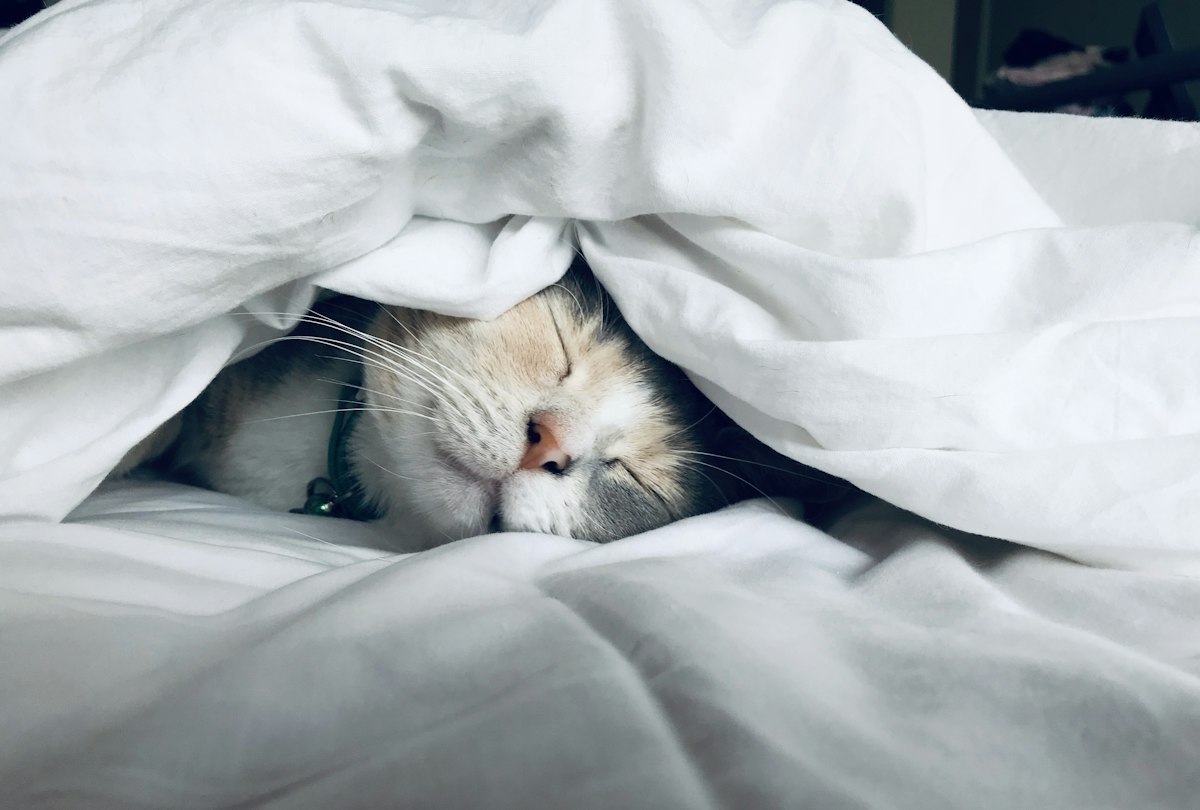
Sleep is foundational to every health goal. These habits optimise it. Poor sleep = impaired glucose, elevated cortisol, increased hunger (ghrelin ↑, leptin ↓), reduced MPS, cognitive decline, immune suppression. 7--9 hours is not optional -- it"s a biological non-negotiable. This article covers the 10 highest-impact levers, ranked by evidence and ease.
What Science Says
Circadian biology: SCN (suprachiasmatic nucleus) entrained by light (melanopsin retinal ganglion cells -> SCN -> pineal melatonin). Temperature: core must drop 1--2°C for sleep onset -- cool room (18--20°C) facilitates. Caffeine: adenosine antagonist, half-life 5--6h, blocks sleep pressure. Alcohol: sedates but fragments sleep, suppresses REM. Blue light (460--480nm) suppresses melatonin 50% at 30 lux. Consistent wake time > consistent bedtime -- anchors circadian rhythm. Sleep restriction therapy (CBT-I) = gold standard for insomnia.
How It Works
Non-negotiables (do these first): (1) Fixed wake time +/-30 min (even weekends) -- strongest circadian anchor. (2) Morning sunlight 10 min within 1h waking -- sets melatonin timer 14--16h later. (3) Caffeine cutoff 10h before bed (2pm for 10pm bed). (4) Bedroom: 18--20°C, pitch black (blackout/mask), white noise/earplugs. (5) Wind-down 60 min: dim lights, no screens, stretch/read/NSDR. (6) No alcohol 3h before bed. (7) No large meals 3h before bed. (8) Bed = sleep/sex only -- no work, scroll, TV. (9) If not asleep 20 min -> get up, dim light, boring activity until sleepy. (10) Nap <20 min, before 3pm -- or skip.
Pros & Cons
Pros
Immediate ROI: better energy, focus, glucose, mood next day
Most are free -- environment, timing, behaviour
Compounds: consistent sleep = metabolic health, longevity
CBT-I techniques work for 70--80% of insomnia without meds
Cons
Requires discipline -- especially wake time, screens, caffeine
Shift workers/parents: ideal impossible -- optimise within constraints
Perfectionism creates orthosomnia (obsessive sleep tracking) -- tracker optional
Medical sleep disorders (apnea, RLS, narcolepsy) need diagnosis, not hygiene
Expert Tips
Mouth tape (if nasal breathing) = deeper sleep, less dry mouth, less snoring
Magnesium glycinate 200--400mg + glycine 3g = relaxation, lower core temp
Tart cherry juice 30ml = natural melatonin + anti-inflammatory
Sauna/hot bath 90 min before bed = passive heating -> rapid cooling -> sleep onset
Autogenic training / NSDR / yoga nidra = non-sleep deep rest, works if sleep fails
How to Implement
Pick 3 non-negotiables this week (wake time, sunlight, caffeine cutoff)
Optimise bedroom: thermometer, blackout, white noise app
Build 60-min wind-down ritual -- same sequence nightly
Track: sleep latency, wake-ups, subjective quality (1--10) -- 2 weeks
If <6h or unrefreshing despite hygiene -> sleep study (apnea screen)
Side Effects & Precautions
Insomnia disorder: CBT-I > hygiene alone -- seek certified provider
Sleep apnea: snoring, witnessed apneas, morning headache, unrefreshing sleep -- STOP-BANG screen, home sleep test
Pregnancy: side sleeping (left), pillow support, frequent urination -- hygiene adapts
Medications (beta-blockers, SSRIs, steroids) affect sleep -- review with doctor
Benzodiazepines/Z-drugs: tolerance, dependence, fall risk -- short-term only, taper plan
Bottom Line
Sleep is the foundation. You cannot out-supplement, out-train, or out-diet poor sleep. Fix the 10 levers. If still struggling -- get tested. Your brain, body, and future self depend on it.
Frequently Asked Questions

Written by Ashwani
Anmotion's team of health and wellness experts creates evidence-based content reviewed by medical professionals.
This article is for informational purposes only and is not a substitute for professional medical advice, diagnosis, or treatment. Always seek the advice of your physician or other qualified health provider with any questions you may have regarding a medical condition.