Sustainable Wellness: Small Changes That Last
Forget extremes -- tiny, consistent shifts create real results.
Medically reviewed by Dr. Rohan Kapoor
Reviewed on 6 September 2026
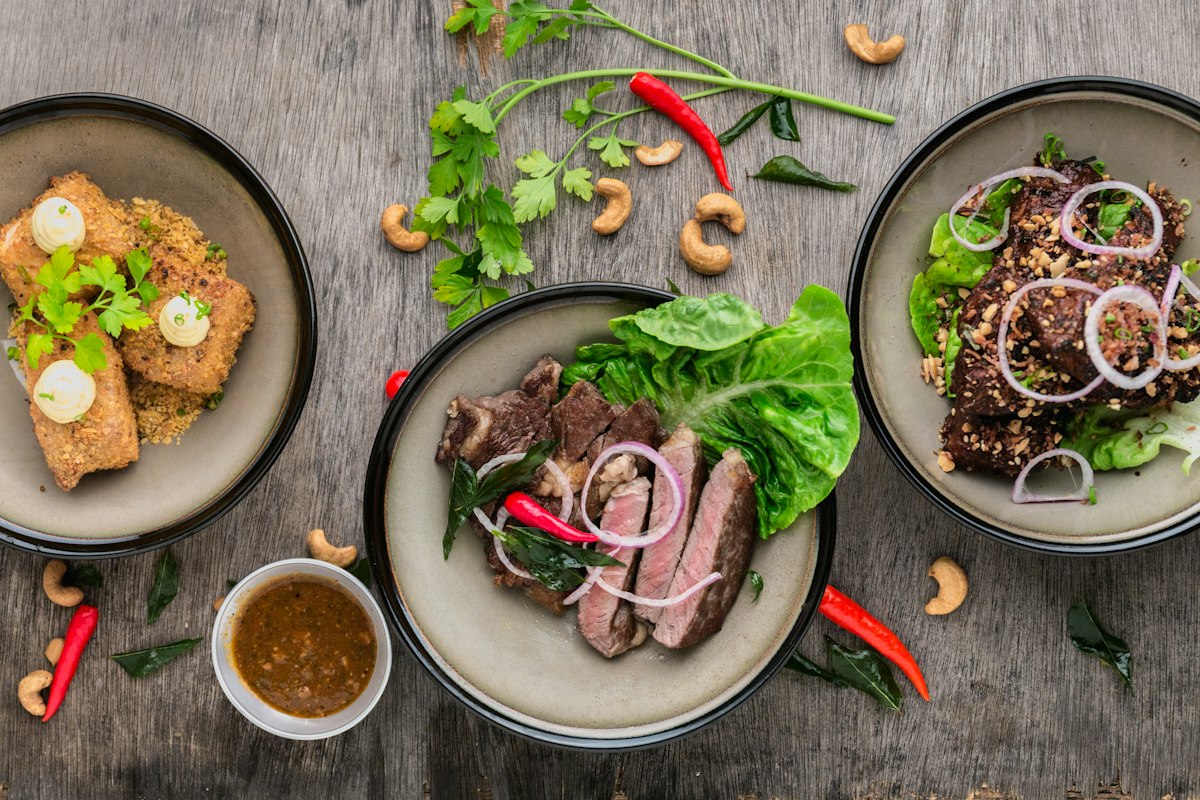
Lasting health comes from small, repeatable actions -- not overhauls. The wellness industry sells transformation: 30-day challenges, 75 Hard, extreme diets. Research shows: the more dramatic the change, the higher the dropout. Sustainable wellness = changes so small they feel trivial, maintained for years. Compound effect: 1% better daily = 37x yearly. This article gives you the framework to build a health practice that survives life.
What Science Says
Behavioural economics: present bias overvalues immediate cost, undervalues future benefit. Friction reduction > willpower. Identity-based habits ("I am a person who walks") outperform outcome-based ("I want to lose 5kg"). Minimum viable habit: 2 min, zero friction, daily. Habit stacking + environment design + social accountability = 80%+ adherence at 1 year. All-cause mortality: 150 min/week moderate activity = 31% reduction; 7h sleep = 12% reduction; 5 servings veg = 13% reduction. Small, consistent beats large, intermittent.
How It Works
Framework: (1) Choose ONE micro-habit from each pillar: Movement (5 min walk), Nutrition (add 1 veg), Sleep (15 min earlier), Stress (3 breaths), Connection (1 text/call). (2) Make it stupidly easy: shoes by door, veg pre-chopped, alarm for bedtime. (3) Track binary: done/not done -- no grades. (4) Never miss twice. (5) Monthly review: add 1 min or 1 habit. (6) Quarterly blood work: lipids, glucose, HbA1c, vitamin D, omega-3 -- data drives motivation.
Pros & Cons
Pros
Survives busy, sick, travel, grief -- no "wagon" to fall off
Builds identity: "I am healthy" > "I am dieting"
Compounds invisibly -- sudden "overnight success" after years
Teaches self-trust -- you keep promises to yourself
Cons
Feels too slow -- ego wants dramatic before/after
Hard to measure daily -- trust the process
Social pressure: "that's it?" -- ignore
Plateaus require patience -- not program-hopping
Expert Tips
BJ Fogg: Celebrate immediately -- fist pump, "good job", dopamine stamps habit
Environment > motivation: fruit bowl visible, junk in opaque box top shelf
Social: share 1 habit with friend -- weekly check-in text
Keystone habits: sleep, movement, veg -- ripple to other domains
Annual health birthday: blood work, DEXA, VO2max, reflection
How to Implement
Pick 1 micro-habit per pillar (5 total) -- write them down
Reduce friction to near-zero (prep night before)
Track on calendar (X = done) -- aim for 25/30 days
Monthly: review, adjust, maybe add 1 min/habit
Quarterly: blood work + photo + reflection
Side Effects & Precautions
Medical conditions: micro-habits support, not replace -- follow doctor
Eating disorders: small changes can mask restriction -- therapist essential
Disability/chronic illness: adapt pillars -- movement = PT, nutrition = RD, sleep = specialist
Perfectionism: binary tracking can trigger -- use streak-free tracker (Habitica, Loop)
Bottom Line
Sustainable wellness is boring. It"s a 5 min walk, a handful of spinach, 15 min more sleep, 3 breaths, one text. Done daily for decades. Thats the secret. There is no secret.
Frequently Asked Questions

Written by Ashwani
Anmotion's team of health and wellness experts creates evidence-based content reviewed by medical professionals.
This article is for informational purposes only and is not a substitute for professional medical advice, diagnosis, or treatment. Always seek the advice of your physician or other qualified health provider with any questions you may have regarding a medical condition.