Vegan for Beginners: Staples, Supplements, and Swaps
Transition to a vegan diet without missing key nutrients.
Medically reviewed by Dr. Rohan Kapoor
Reviewed on 6 September 2026
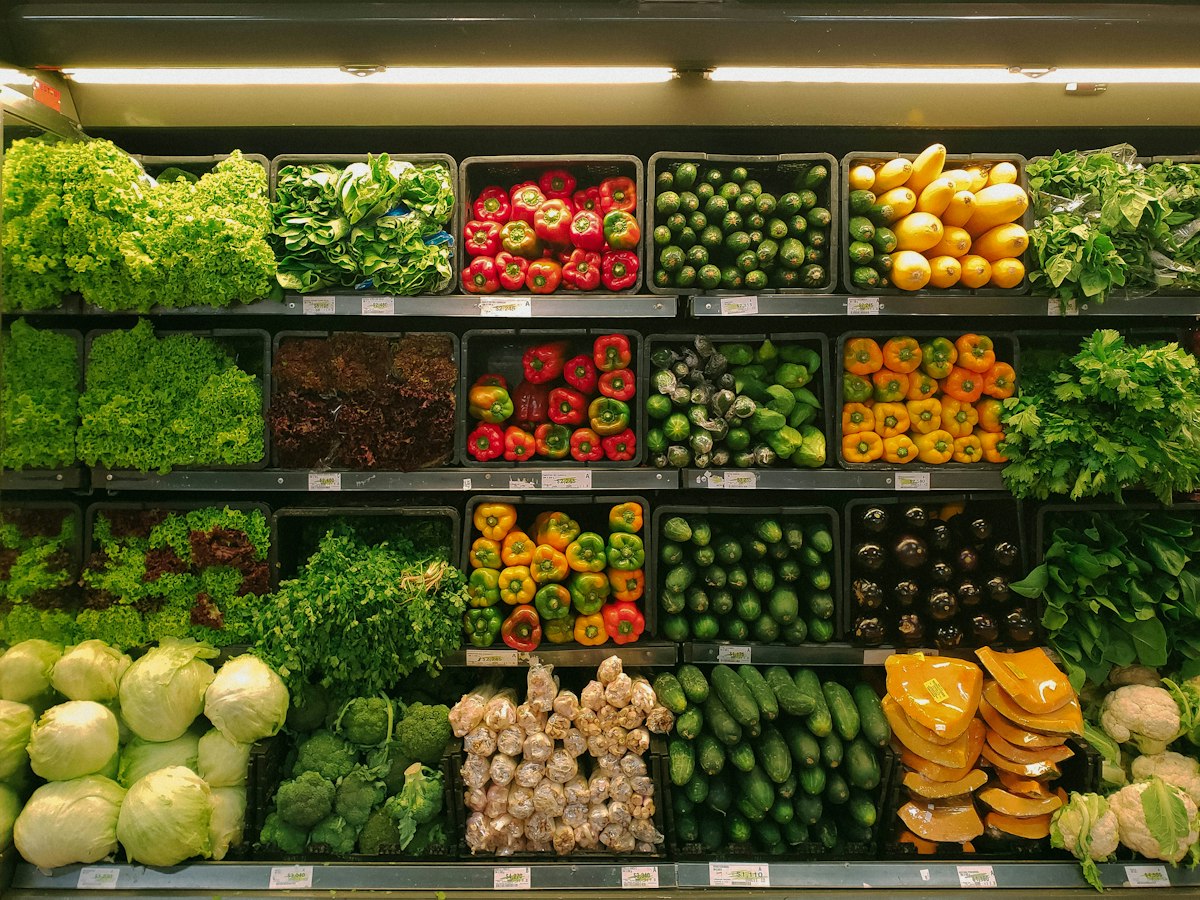
A well-planned vegan diet is healthy and sustainable. Mind these nutrients. Going vegan is a profound choice -- for ethics, environment, or health. But "vegan" does not automatically mean "healthy" (Oreos are vegan). A thriving vegan diet centres whole plants, supplements strategically, and monitors key biomarkers. This guide gives you the roadmap.
What Science Says
The Academy of Nutrition and Dietetics: "Appropriately planned vegan diets are healthful, nutritionally adequate, and may provide health benefits." Key nutrients requiring attention: B12 (zero reliable plant sources -- supplement mandatory), Vitamin D3 (lichen-derived), EPA/DHA (algae oil -- conversion from ALA is <5%), Iron (non-heme, pair with vitamin C), Zinc (phytates reduce absorption -- soak/sprout), Calcium (fortified plant milks, tofu-set-with-calcium, leafy greens low-oxalate), Iodine (iodised salt or seaweed), Choline (soy, quinoa, supplement if pregnant). Protein: 1.0--1.2 g/kg may suffice due to lower digestibility; aim 1.3--1.6 g/kg for athletes.
How It Works
Transition phases: (1) Add before subtract -- crowd in beans, greens, nuts, seeds, whole grains. (2) Swap staples -- milk->soy/oat, yogurt->soy/coconut, butter->olive oil/avocado, meat->tofu/tempeh/legumes. (3) Supplement from day one: B12 (cyanocobalamin 2500mcg/week or 50mcg/day), D3 (2000 IU/day), algae EPA/DHA (250--500mg/day). (4) Learn to read labels -- hidden dairy (whey, casein, lactose), egg (albumin), honey. (5) Blood test at 3 and 12 months: B12, ferritin, D, lipid panel, TSH.
Pros & Cons
Pros
Lowest environmental footprint of any diet
High fibre, phytonutrients, antioxidants by default
Lower saturated fat, zero cholesterol
Aligns with compassion values for many
Can be very cost-effective (beans, rice, seasonal veg)
Cons
Requires supplement discipline -- B12 non-negotiable
Social friction -- family, travel, restaurants
Higher volume for protein -- more chewing, prep
Ultra-processed vegan alternatives (mock meats, cheeses) are not health foods
Nutrient gaps if poorly planned (B12, iron, D, omega-3, zinc, choline)
Expert Tips
Nutritional yeast (fortified) = cheesy flavour + B12 + protein -- sprinkle everything
Tofu press -> marinate -> bake/air-fry = texture transformation
Aquafaba (chickpea water) = egg white substitute for meringues, mayo, baking
Flax egg: 1 tbsp ground flax + 3 tbsp water = 1 egg in baking
Batch cook beans, grains Sunday -- building blocks for week
How to Implement
Week 1: Vegan breakfast only (oats, toast, smoothie, tofu scramble)
Week 2: Vegan breakfast + lunch
Week 3: Fully vegan; start supplements
Month 1: Blood work baseline
Month 3: Review -- energy, digestion, labs, satisfaction
Ongoing: Annual B12, D, ferritin, lipids
Side Effects & Precautions
Pregnancy/breastfeeding: work with vegan-informed RD -- choline, DHA, B12, iron critical
Children: pediatric RD essential -- growth monitoring, nutrient density
Eating disorder history: veganism can mask restriction -- screen intent
Thyroid: limit raw goitrogens (raw kale, soy) -- cook crucifers, space soy from thyroid meds
Bottom Line
Vegan done well is vibrant, ethical, and health-promoting. Vegan done poorly (junk food, no supplements) fails. Plan, supplement, test, adjust. You are building a lifestyle, not a label.
Frequently Asked Questions

Written by Ashwani
Anmotion's team of health and wellness experts creates evidence-based content reviewed by medical professionals.
This article is for informational purposes only and is not a substitute for professional medical advice, diagnosis, or treatment. Always seek the advice of your physician or other qualified health provider with any questions you may have regarding a medical condition.