Vegetarian Meal Plan for the Week
Plant-forward, protein-complete meals for seven days.
Medically reviewed by Dr. Rohan Kapoor
Reviewed on 6 September 2026
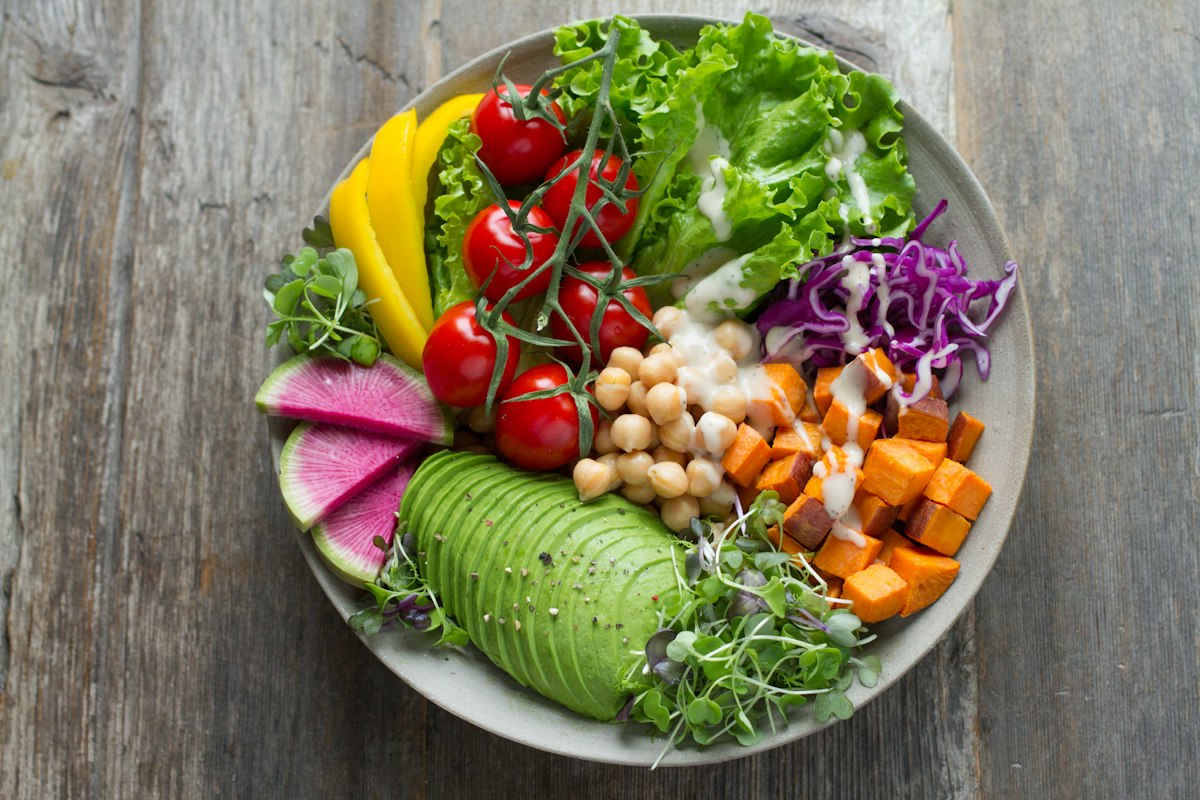
This vegetarian plan ensures adequate protein through smart pairings. Target: 90--110g protein/day (1.3--1.6g/kg for 70kg adult) from plants + dairy/eggs. Key strategy: complementary proteins (grain + legume) at most meals, dairy/eggs for leucine density, soy for completeness. Fibre: 40g+ from diverse plants. Cost: ~₹4,000/week for 2 adults.
What Science Says
Plant proteins have lower digestibility (PDCAAS 0.7--0.9) and leucine (6--8% vs 10--12% animal) -- need 20% more total protein. Complementary proteins (rice + dal, roti + chana, corn + beans) provide complete amino acid profile within meal. Soy (tofu, tempeh, edamame) = complete, PDCAAS 1.0. Dairy/eggs = high leucine, B12, calcium. Meta-analysis: vegetarian diets reduce CVD 25%, diabetes 30%, but protein adequacy requires planning.
How It Works
Daily template: Breakfast -- Greek yogurt (170g) + fruit + nuts (30g protein). Lunch -- grain + legume + veg + curd (25g protein). Snack -- roasted chana + fruit OR protein shake (15g protein). Dinner -- soy/paneer + grain + veg (25g protein). Weekly rotation: 3 tofu, 2 paneer, 1 tempeh, 1 egg-heavy. Sunday prep: cook 3 grains, 3 dals, roast veg, make chutneys.
Pros & Cons
Pros
Lower saturated fat, higher fibre, phytonutrients
Cost-effective: dal ₹120/kg vs chicken ₹180/kg vs paneer ₹300/kg
Environmental impact: 50% lower GHGE vs omnivore
Gut microbiome diversity from 30+ plants/week
Cons
Volume eating required -- plant protein less dense
B12, iron, zinc, omega-3 (EPA/DHA), calcium need attention
Anti-nutrients (phytates, oxalates) reduce mineral absorption -- soak/sprout/ferment
Social challenges: limited options at restaurants/events
Expert Tips
Soak legumes 8h + pressure cook = 50% less phytates, faster cook
Sprout moong/chana 24h = 30% more protein bioavailability, vitamin C
Ferment dosa/idli batter = B12-producing bacteria, lower GI
Nutritional yeast (2 tbsp) = 8g protein, B12 fortified, cheesy flavour
Hemp seeds (3 tbsp) = 10g complete protein, omega-3 ALA
How to Implement
Track protein 3 days -- most vegetarians eat 50--60g, target 90+
Add 1 protein source to each meal: yogurt, dal, tofu, paneer, eggs
Learn 5 grain+legume combos you love (rajma-chawal, chana-roti, dal-khichdi)
Supplement: B12 2000µg/week, algae oil 500mg DHA/EPA, iron if ferritin low
Blood test quarterly: B12, ferritin, vitamin D, omega-3 index
Side Effects & Precautions
Pregnancy: +25g protein, +300 kcal, folate 600µg, iron 27mg, choline 450mg -- prenatal + RD
Athletes: 1.6--2.2g/kg -- may need plant protein isolate, careful leucine distribution
CKD: protein restriction -- plant proteins lower acid load but still count -- renal RD essential
Soy allergy: lean on paneer, Greek yogurt, eggs, lentils, hemp, pea protein
Thyroid: cook crucifers (cauliflower, cabbage) -- raw goitrogens; soy moderate OK if iodine sufficient
Bottom Line
Vegetarian protein adequacy is absolutely achievable -- it just requires intention. Grain + legume + dairy/egg/soy at every meal. Supplement the gaps. The health and planetary ROI is massive.
Frequently Asked Questions

Written by Ashwani
Anmotion's team of health and wellness experts creates evidence-based content reviewed by medical professionals.
This article is for informational purposes only and is not a substitute for professional medical advice, diagnosis, or treatment. Always seek the advice of your physician or other qualified health provider with any questions you may have regarding a medical condition.