Complete Vegetarian Protein Sources: A Practical Guide
Hit your protein needs on a vegetarian diet with these combinations.
Medically reviewed by Dr. Rohan Kapoor
Reviewed on 6 September 2026
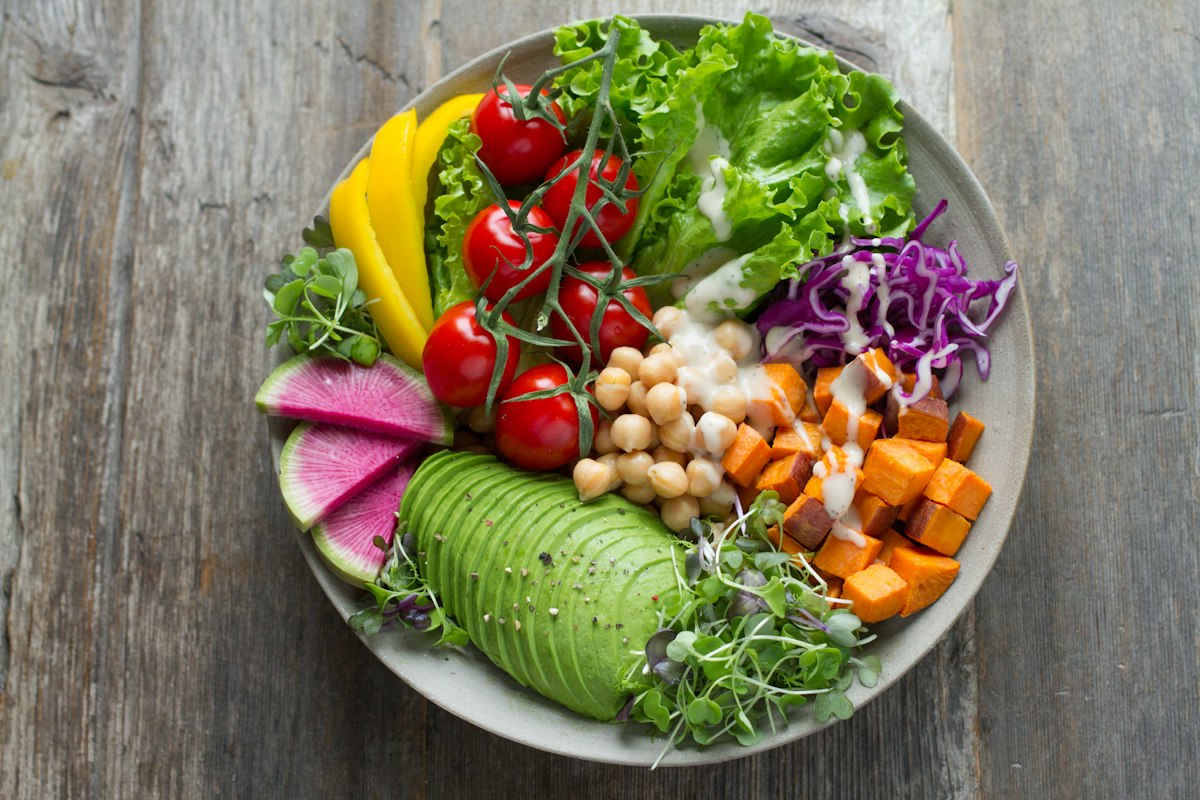
Vegetarian diets can easily meet protein needs with the right pairings. The myth that plant proteins are "incomplete" is outdated -- all plant proteins contain all 9 essential amino acids, just in varying proportions. Eating a variety across the day naturally complements them. This guide shows you the best sources, how to combine them, and how to hit 100--150g/day without meat.
What Science Says
Protein quality is measured by PDCAAS/DIAAS -- animal proteins score 1.0; soy (0.91--1.0), pea (0.82), rice (0.47--0.64). But humans eat meals, not isolated proteins. The "limiting amino acid" concept (lysine in grains, methionine in legumes) is solved by dietary variety -- the amino acid pool turns over every few hours. Studies show vegetarian athletes achieve equivalent strength/hypertrophy to omnivores when total protein is matched. Key vegetarian advantages: paneer (whey + casein, PDCAAS 1.0), eggs (1.0), Greek yogurt (1.0), soy (1.0). Combining grains + legumes at the same meal is not required -- daily variety suffices.
How It Works
Tier 1 (complete, high PDCAAS): paneer (18g/100g), Greek yogurt (10g/100g), eggs (13g/100g), tofu (15g/100g), tempeh (19g/100g), soy milk (3.3g/100ml), whey. Tier 2 (high protein, pair for completeness): lentils (9g cooked), chickpeas (9g), black beans (9g), edamame (11g), quinoa (4.4g), seitan (25g/100g -- wheat gluten, low lysine). Tier 3 (modest protein, nutrient-dense): nuts/seeds (5--7g/30g), oats (5g/50g), millets, vegetables (2--4g/cup). Strategy: anchor each meal with Tier 1, support with Tier 2, sprinkle Tier 3.
Pros & Cons
Pros
Lower saturated fat, higher fibre than typical omnivore diet
Environmental footprint 30--50% lower
Cost-effective: dal, eggs, paneer cheaper than meat per gram protein
Culinary diversity -- Indian, Mediterranean, Mexican, Asian all vegetarian-friendly
Cons
Volume: 100g protein from plants = more food volume (fibre, water)
Bioavailability: phytates/oxalates can reduce mineral absorption -- soak/sprout/ferment
B12, iron, zinc, omega-3 need attention -- supplement or fortify
Social: limited options at some restaurants/events
Expert Tips
Soak legumes 8h, discard water -- reduces phytates, improves digestibility
Sprout moong, chana -- increases protein bioavailability, vitamin C
Ferment: dosa/idli batter, dhokla -- reduces antinutrients, adds B12 (trace)
Greek yogurt + every meal = +10g protein effortlessly
Protein pasta (lentil/chickpea/edamame) = 20g/100g -- swap regular pasta
How to Implement
Target: 1.6--2.2 g/kg goal weight
Breakfast: 2 eggs + 100g Greek yogurt = 30g
Lunch: 150g paneer/tofu + 1 cup dal + rice = 35g
Snack: 30g nuts + 100g Greek yogurt = 15g
Dinner: 1 cup beans + quinoa + 100g tofu = 30g
Total: ~110g base -- scale portions to your target
Side Effects & Precautions
Soy allergy: use pea protein, lentils, chickpeas, quinoa, nuts, seeds, dairy, eggs
Kidney stones: moderate oxalate (spinach, nuts, soy) -- hydrate, calcium with meals
Gout: purines in legumes moderate -- limit portions during flares, hydrate
Pregnancy: +25g protein/day; ensure B12, iron, choline (eggs), omega-3 (algae DHA)
Bottom Line
Vegetarian protein is not a puzzle -- it is a buffet. Anchor with dairy/eggs/soy, support with legumes, sprinkle nuts/seeds. 120g+ is easy, delicious, and sustainable.
Frequently Asked Questions

Written by Ashwani
Anmotion's team of health and wellness experts creates evidence-based content reviewed by medical professionals.
This article is for informational purposes only and is not a substitute for professional medical advice, diagnosis, or treatment. Always seek the advice of your physician or other qualified health provider with any questions you may have regarding a medical condition.